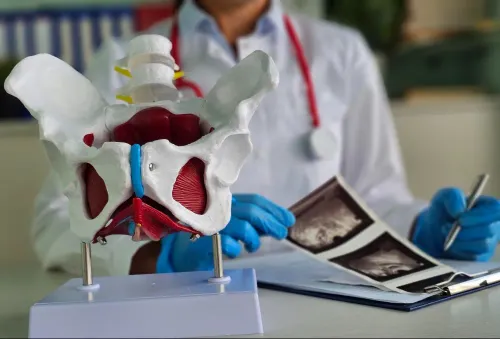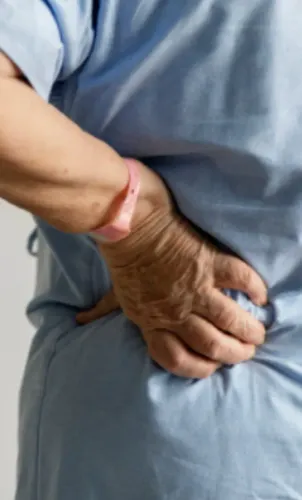

A pelvic fracture is one of the most serious injuries affecting the musculoskeletal system. While some pelvic fractures are stable and can heal with conservative treatment, a complex pelvic fracture often involves multiple breaks in the pelvic ring and may be associated with injuries to nearby organs, blood vessels, or nerves. Because of the potential complications, timely diagnosis and specialised orthopaedic care are essential.
At UR Orthopaedic Clinic, Dr. Ankur Sharma evaluates patients with pelvic injuries using detailed clinical assessment and advanced imaging to determine the severity of the fracture and recommend the most appropriate treatment plan. Every case is different, and management depends on the stability of the pelvis, the patient's overall health, and associated injuries.
Understanding Pelvic Injuries in Budh Vihar
Residents of Budh Vihar may experience pelvic fractures following high-impact accidents such as road traffic collisions, falls from height, or workplace injuries. In older adults with osteoporosis, even a relatively minor fall can sometimes lead to a pelvic fracture.
The pelvis supports the upper body, protects internal organs, and transfers body weight to the legs. Because of its important role, injuries to this region require careful evaluation rather than simple pain management.
What Makes a Pelvic Fracture 'Complex'?
Not every pelvic fracture is considered complex.
A fracture becomes more complicated when it involves:
- Multiple fracture sites
- Pelvic ring instability
- Joint involvement
- Significant displacement of bones
- Associated nerve injuries
- Damage to nearby blood vessels
- Injuries to the bladder or other pelvic organs
These injuries often require treatment from an experienced orthopaedic trauma specialist working alongside a multidisciplinary medical team.
Symptoms That Require Immediate Medical Attention
The severity of symptoms usually depends on the type of fracture.
Common warning signs include:
- Severe pain around the hips or pelvis
- Difficulty standing or walking
- Swelling and bruising
- Pain while moving either leg
- Visible deformity after trauma
- Numbness in the lower limbs
- Bleeding associated with major trauma
Patients should never attempt to walk after a suspected pelvic fracture, as movement may worsen the injury.
How Is a Complex Pelvic Fracture Diagnosed?
Diagnosis begins with a physical examination to assess stability and identify associated injuries.
Imaging studies commonly include:
- Digital X-rays
- CT scan with three-dimensional reconstruction
- MRI in selected cases
- Blood investigations when major trauma is suspected
These investigations help determine whether the fracture is stable or unstable and guide surgical planning where necessary.
Is Surgery Always Required?
Fortunately, no.
Some pelvic fractures remain stable and heal with:
- Pain management
- Limited weight-bearing
- Physiotherapy
- Regular follow-up imaging
However, surgery is often recommended when:
- The pelvis is unstable
- Bones are significantly displaced
- Walking would not be possible without reconstruction
- Associated injuries require operative management
The primary objective is to restore pelvic stability and allow safe mobilisation.
Recovery After Pelvic Fracture Treatment
Recovery varies depending on the severity of injury.
A structured rehabilitation programme generally includes:
- Pain control
- Assisted walking
- Muscle strengthening
- Balance training
- Gradual increase in activity
- Follow-up imaging
- Functional rehabilitation
Recovery may take several weeks or months, but consistent rehabilitation plays a major role in regaining mobility.
Can Pelvic Fractures Be Prevented?
Although accidents cannot always be avoided, the risk can be reduced by:
- Wearing seat belts
- Using protective equipment at work
- Preventing falls in older adults
- Treating osteoporosis
- Maintaining muscle strength and balance
- Following workplace safety practices
These measures help lower the likelihood of severe trauma.
Early Orthopaedic Assessment Leads to Better Outcomes
Complex pelvic fractures require timely diagnosis, careful planning, and coordinated treatment. Delaying evaluation may increase the risk of complications and prolong recovery.
At UR Orthopaedic Clinic, Dr. Ankur Sharma develops personalised treatment plans based on the type of pelvic injury, helping patients regain mobility while prioritising long-term function and quality of life through evidence-based orthopaedic care.
Keywords