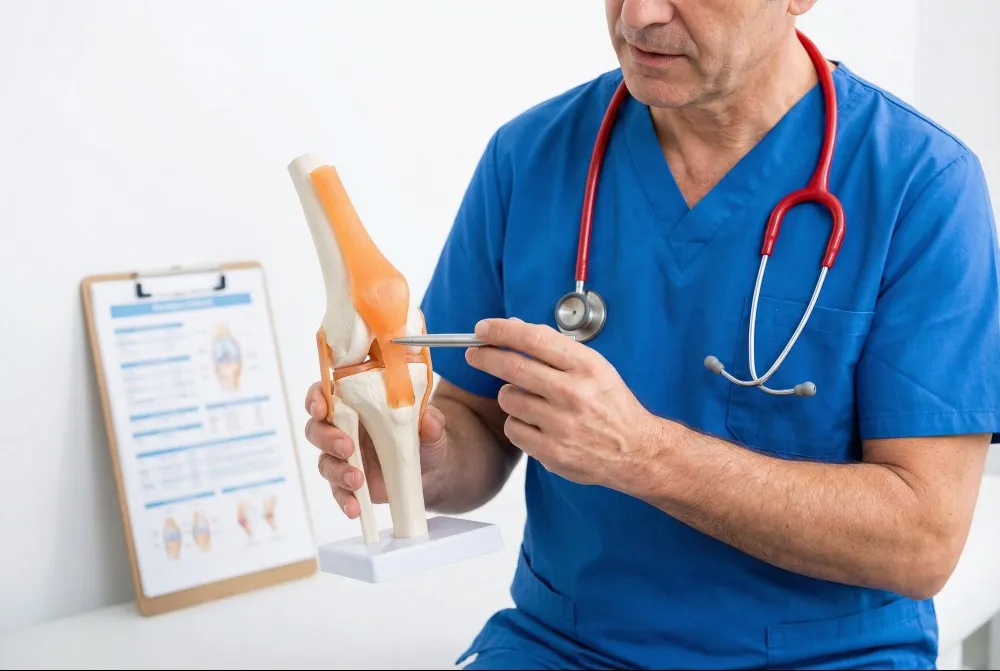
Orthopaedic problems range from relatively straightforward sprains to complicated fractures, ligament injuries, arthritis and conditions requiring reconstructive surgery. Because the speciality covers such a broad range of problems, choosing the Best Orthopaedic Surgeon involves more than looking at qualifications or online descriptions.
Patients in Rohini Sector 25, Delhi, can make a more informed choice by evaluating how an orthopaedic consultation is conducted and whether the proposed treatment matches the actual diagnosis.
Start With Relevant Clinical Expertise
Orthopaedics includes multiple areas such as trauma care, arthroscopy, sports injuries, joint replacement and joint-preservation procedures.
The surgeon's experience should therefore be relevant to the condition being treated.
A patient with a ligament injury may require expertise in arthroscopic reconstruction, while someone with advanced arthritis may need evaluation for joint replacement. Complex fractures present a different set of surgical considerations.
Relevant experience is more meaningful than broad claims of expertise.
Expect a Diagnosis Before a Treatment Recommendation
Good orthopaedic care starts with understanding the problem.
A consultation should generally consider:
- How and when symptoms began
- Previous injuries
- Exact location of pain
- Activities that worsen symptoms
- Swelling or instability
- Restriction of movement
- Previous investigations
- Treatments already attempted
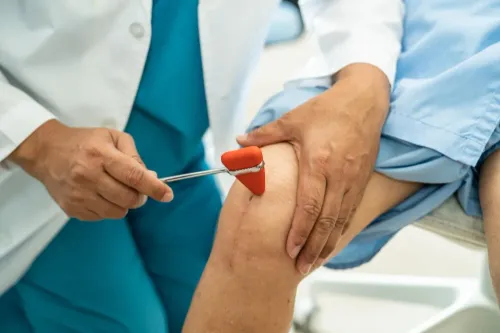
Physical examination provides information that imaging alone cannot.
X-rays, MRI scans, CT scans or laboratory investigations may then be recommended when clinically relevant.
Ask Whether Surgery Is Actually Necessary
Not every orthopaedic problem requires an operation.
Depending on the diagnosis, treatment may involve rest, medication, physiotherapy, activity modification, rehabilitation or other conservative approaches.
If surgery is suggested, patients should understand why.
Useful questions include:
- What exactly is damaged?
- What happens if surgery is delayed?
- Are reasonable non-operative options available?
- What procedure is being recommended?
- What are the expected limitations during recovery?
- How important is physiotherapy afterward?
A surgeon should be able to explain these points in understandable language.
Consider the Entire Treatment Journey
Patients sometimes focus entirely on the procedure and overlook postoperative care.
Follow-up is particularly important after fractures, arthroscopic procedures and joint replacement because recovery may require wound assessment, progressive exercises, mobility guidance and repeat imaging.
For patients around Rohini Sector 25, accessibility for planned follow-up can therefore be a practical consideration when selecting an orthopaedic provider.
At UR Orthopaedic Clinic, assessment can include evaluation of joint pain, fractures, sports injuries and conditions potentially requiring arthroscopy or joint replacement. The objective of the consultation should be to establish the diagnosis and identify an appropriate treatment pathway.
Be Careful With Absolute Claims
Terms such as 'best,' 'guaranteed,' 'permanent cure' or '100% success' should never replace clinical evidence.
Orthopaedic outcomes depend on many factors, including injury severity, age, bone quality, associated medical conditions, rehabilitation and adherence to postoperative instructions.
When searching for the Best Orthopaedic Surgeon, patients are better served by looking for relevant experience, diagnostic clarity, transparent communication and appropriate follow-up rather than relying on exaggerated promises.
A well-informed treatment decision begins when patients understand not only what treatment is recommended, but also why it is appropriate for their particular condition.
Keywords