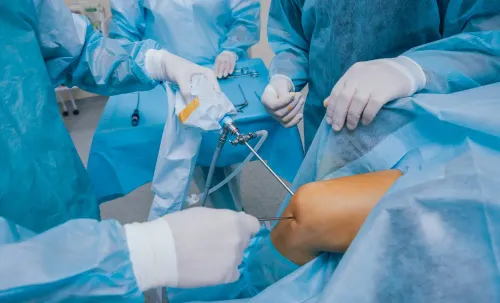
Modern orthopaedic treatment increasingly uses minimally invasive techniques for selected joint conditions. Arthroscopy is one such approach, allowing the surgeon to examine and treat certain problems through small incisions using a specialised camera and instruments.
Patients searching for the Best Arthroscopic Surgeon often want to know whether arthroscopy is appropriate for their particular injury and how it differs from traditional open surgery.
For active adults and patients with sports-related joint problems in Rohini Sector 22, Delhi, understanding the role of arthroscopy can make treatment decisions clearer.
What Is Arthroscopy?
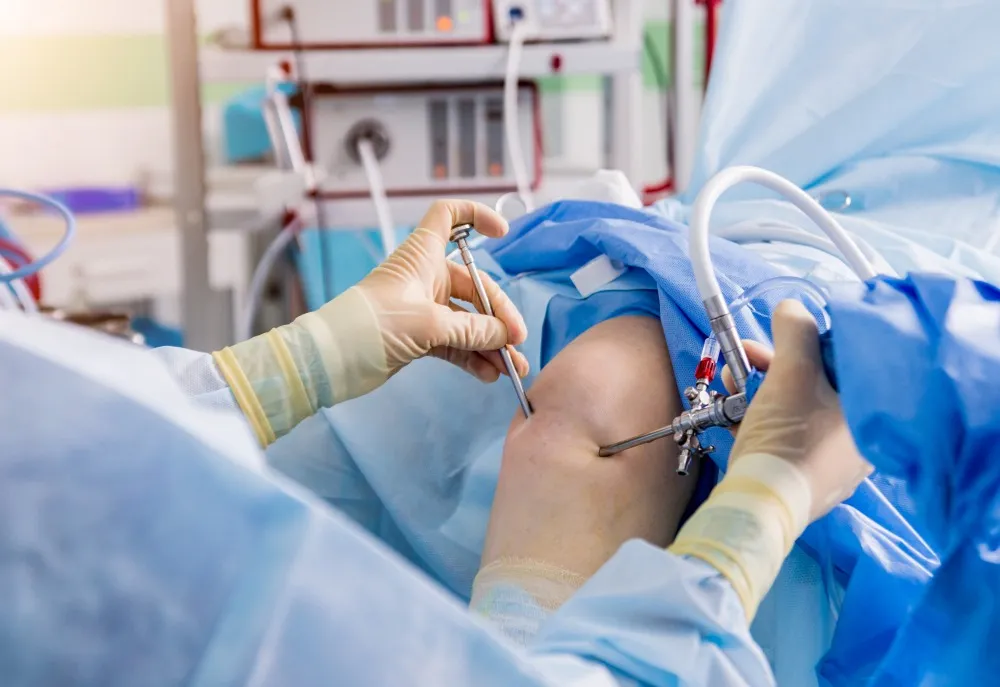
An arthroscope is a narrow instrument equipped with a camera. It allows the surgeon to visualise structures inside a joint on a monitor.
Depending on the condition, additional small portals may be created for surgical instruments.
Arthroscopy is commonly associated with the knee and shoulder, although it may be used in other joints in selected circumstances.
Procedures performed arthroscopically can include treatment of certain:
- ACL and PCL injuries
- Meniscus tears
- Rotator cuff tears
- Shoulder instability
- Cartilage problems
- Other suitable intra-articular conditions
The specific procedure depends on the diagnosis.
Does Every Sports Injury Need Arthroscopy?
No.
Muscle strains, minor ligament injuries and several other musculoskeletal problems often recover through appropriate non-operative management.
Even an MRI showing a tear does not automatically establish the need for surgery.
The surgeon needs to correlate scan findings with symptoms and examination findings. Two patients can have similar MRI reports while requiring completely different treatment.
Why Minimally Invasive Does Not Mean Minor
Because arthroscopy uses small incisions, patients sometimes assume the procedure requires little recovery.
The skin incisions may be small, but reconstruction or repair inside the joint can still be substantial.
An ACL reconstruction, for example, requires a structured rehabilitation programme. Rotator cuff repair similarly needs protection of the repaired tendon followed by carefully progressed rehabilitation.
Patients should therefore distinguish between incision size and the biological healing required inside the joint.
How Should a Surgeon Be Evaluated?
When looking for the Best Arthroscopic Surgeon, consider whether the surgeon:
- Regularly evaluates the relevant joint condition
- Reviews imaging alongside clinical findings
- Discusses non-operative options where appropriate
- Clearly explains the proposed procedure
- Provides realistic recovery expectations
- Plans postoperative rehabilitation
- Discusses potential complications and limitations
These factors help patients evaluate the quality of decision-making rather than simply the technology being used.
UR Orthopaedic Clinic provides orthopaedic assessment for joint injuries, including problems that may require arthroscopic management. Patients from Rohini Sector 22 can have symptoms and investigations evaluated before deciding whether rehabilitation, further assessment or surgery is suitable.
The central question is not whether arthroscopy is modern or minimally invasive. It is whether the procedure addresses the specific structural problem responsible for the patient's symptoms.
Appropriate patient selection, accurate diagnosis, surgical technique and rehabilitation all influence the outcome. A thorough consultation therefore remains the foundation of arthroscopic treatment.
Keywords