An anterior cruciate ligament injury can change the way the knee feels during running, turning and even routine movement. Some patients experience repeated episodes of the knee 'giving way,' while others regain reasonable everyday function after rehabilitation.
This variation explains why ACL Reconstruction Surgery is recommended for some patients but not automatically for everyone with an ACL tear.
For patients in Rohini Sector 21, Delhi, the decision should be based on knee stability, activity requirements, associated injuries and response to rehabilitation.
What Does the ACL Do?
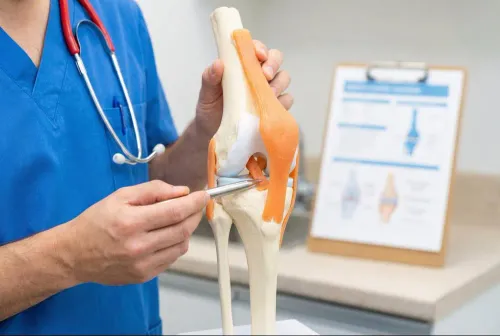
The anterior cruciate ligament helps control forward movement and rotational stability of the knee.
ACL injuries frequently occur during sports involving sudden changes of direction, awkward landings or twisting movements. A patient may hear or feel a pop followed by swelling and difficulty continuing activity.
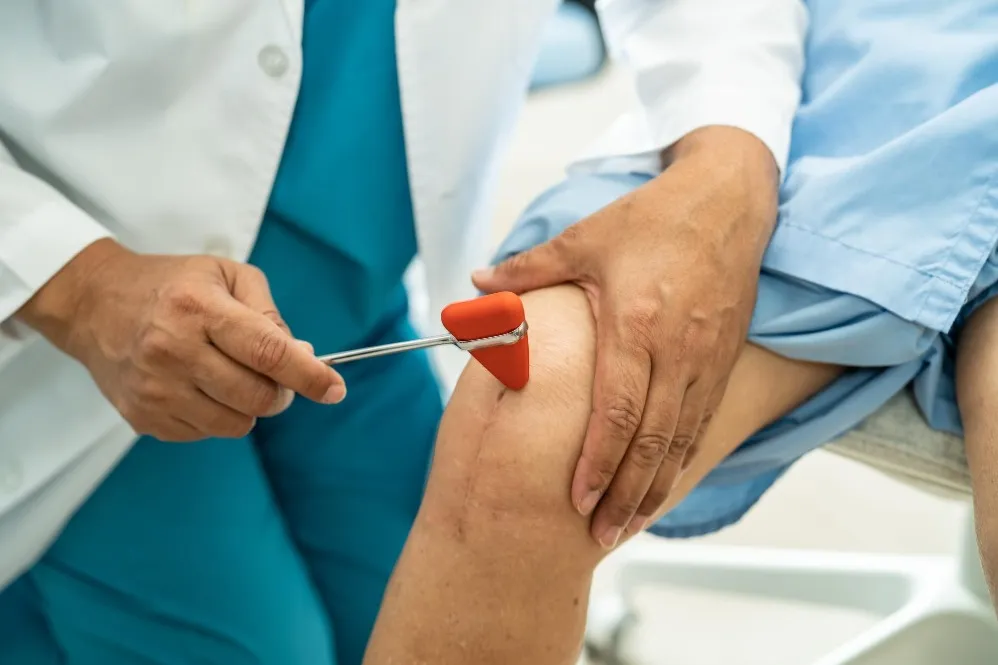
Diagnosis usually combines clinical examination with imaging such as MRI when appropriate.
When Can Rehabilitation Be Considered?
Non-operative management may be suitable for selected patients, particularly when their activity requirements are lower and the knee remains functionally stable.
A rehabilitation programme can focus on:
- Reducing swelling
- Restoring knee movement
- Strengthening surrounding muscles
- Improving balance
- Developing neuromuscular control
- Gradually returning to appropriate activities
Progress should be assessed rather than assuming that a torn ACL always requires immediate surgery.
When Does Reconstruction Become More Relevant?
ACL reconstruction may be considered when instability continues, particularly in people who want to return to sports or occupations requiring pivoting, cutting or rapid directional changes.
Other injuries can influence the decision. Damage to the meniscus or other ligaments may change the overall treatment strategy.
Repeated instability can also expose other structures inside the knee to additional stress.
What Happens During Reconstruction?
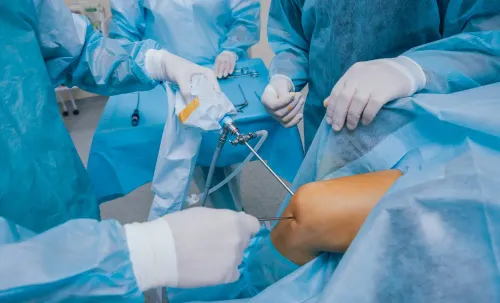
ACL Reconstruction Surgery generally uses a graft to recreate the function of the damaged ligament rather than simply stitching the torn ACL back together in the conventional manner.
Graft selection and surgical planning depend on individual factors.
The operation is only one stage of treatment. Rehabilitation is essential for restoring movement, strength, control and confidence.
Returning to sport should therefore be based on recovery milestones and functional assessment rather than simply counting a fixed number of months.
Questions to Ask Before Choosing Treatment
Patients evaluating their options should understand:
- Is the ACL completely or partially injured?
- Is the knee clinically unstable?
- Is there associated meniscus or cartilage damage?
- What activities does the patient want to resume?
- Has structured rehabilitation been attempted where appropriate?
- What would postoperative rehabilitation involve?
At UR Orthopaedic Clinic, patients with suspected ligament injuries can undergo assessment to understand the extent and functional significance of the injury. For people around Rohini Sector 21, this can provide a structured starting point before deciding between continued rehabilitation and surgical reconstruction.
The presence of an ACL tear is important, but it is not the only factor determining treatment. Age, activity level, instability, associated damage and individual goals all matter.
The most appropriate approach is therefore the one based on the patient's knee function and future activity requirements rather than the MRI report alone.
Keywords