
Shoulder pain is often initially managed with rest, medication or physiotherapy. In many cases, that is appropriate. However, persistent weakness, significant tendon damage or an acute traumatic tear may require a more detailed surgical evaluation.
Understanding when Rotator Cuff Repair Surgery is considered can help patients avoid both unnecessary surgery and prolonged delay when a clinically significant tear requires treatment.
For people in Rohini Sector 16, Delhi, shoulder weakness that continues despite appropriate care deserves proper orthopaedic assessment.
What Is the Rotator Cuff?
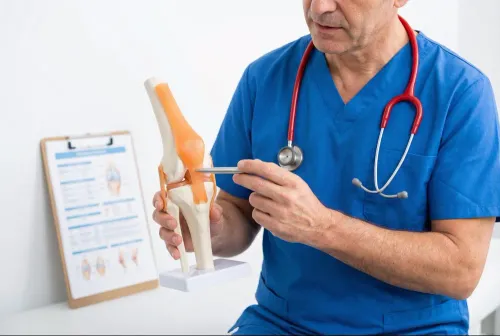
The rotator cuff is a group of muscles and tendons that stabilise the shoulder and help lift and rotate the arm.
Tears can develop gradually because of degeneration or occur suddenly after trauma.
Symptoms can include:
- Pain when raising the arm
- Night pain
- Weakness
- Difficulty reaching overhead
- Problems with dressing or grooming
- Reduced ability to perform work or sports
- Pain following a fall or sudden injury
Not all rotator cuff tears produce the same symptoms.
Partial Tears and Complete Tears Are Different
A partial-thickness tear affects only part of the tendon, while a full-thickness tear extends through the tendon.
The size and location of the tear, tendon quality, muscle condition and duration of symptoms all influence treatment.
MRI or ultrasound may help define the structural problem, but imaging should be interpreted alongside examination findings.
When Can Physiotherapy Help?
Conservative treatment may be considered in many shoulder conditions and selected rotator cuff tears.
Physiotherapy may focus on improving shoulder mechanics, mobility and strength. Activity modification and appropriate medication may also form part of treatment.
Progress should be monitored.
If pain decreases and function improves sufficiently, surgery may not be required.
When Is Repair Considered?
Rotator Cuff Repair Surgery may become more relevant when there is significant functional weakness, a traumatic tear in an active patient, persistent symptoms despite appropriate conservative treatment or a tear pattern for which repair is clinically recommended.
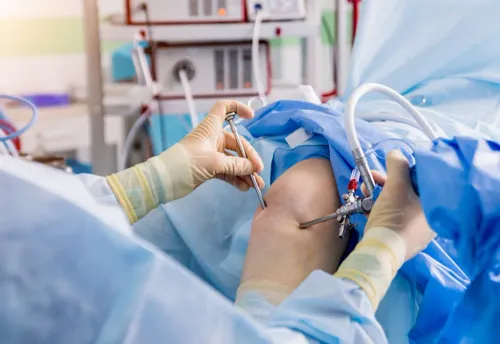
During arthroscopic repair in suitable cases, the damaged tendon is reattached to the bone using specialised techniques.
Recovery is gradual because tendon-to-bone healing takes time.
Rehabilitation Matters
After repair, patients may initially need a sling to protect the shoulder.
Rehabilitation typically progresses from protected movement toward increasing mobility and eventually strengthening, according to the surgeon's protocol and healing status.
Attempting heavy lifting too early can place unnecessary stress on the repair.
At UR Orthopaedic Clinic, patients experiencing shoulder pain or weakness can have their symptoms and investigations assessed before treatment is selected. For residents of Rohini Sector 16, evaluation can help distinguish rotator cuff problems from frozen shoulder, arthritis and other causes of shoulder pain.
The important decision is not simply whether an MRI mentions a tear. It is whether the tear explains the patient's symptoms and whether surgery offers a reasonable treatment pathway based on the person's age, activity level, tendon condition and functional requirements.
A careful assessment helps determine when rehabilitation should remain the priority and when surgical repair deserves consideration.
Keywords