
Hip arthritis can make surprisingly simple movements difficult. Getting out of a chair, putting on shoes, walking to the market or turning in bed may become uncomfortable as the joint progressively deteriorates. Patients considering the Best Hip Replacement Surgeon should first understand why hip replacement is recommended and what determines whether they are suitable candidates.
For people in Rohini Sector 23, Delhi, persistent hip pain should be assessed rather than repeatedly managed with temporary pain relief without establishing the underlying cause.
Understanding Hip Joint Damage
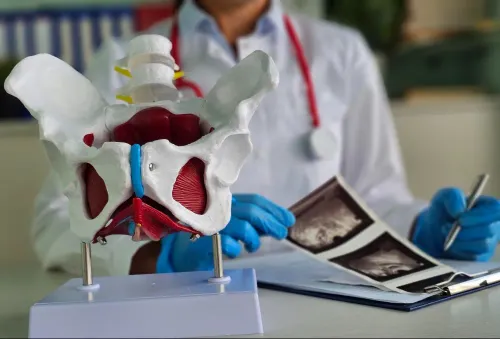
The hip is a ball-and-socket joint. Cartilage covering the joint surfaces allows smooth movement while reducing friction.
When cartilage becomes severely damaged, movement between the joint surfaces can become painful. Osteoarthritis is a frequent cause, but avascular necrosis, inflammatory arthritis, previous fractures and other conditions may also damage the hip.
Common symptoms include groin pain, stiffness, limping, difficulty walking and reduced hip movement.
Interestingly, hip problems do not always cause pain only around the hip. Some patients experience discomfort in the thigh or even around the knee, making accurate diagnosis particularly important.
When Is Replacement Considered?
Having arthritis on an X-ray does not automatically mean a patient needs hip replacement.
An orthopaedic surgeon usually considers several factors:
- Severity and duration of pain
- Restriction of normal activities
- Range of hip movement
- Imaging findings
- Response to conservative treatment
- Patient's general medical condition
- Effect of symptoms on independence
If symptoms remain manageable, non-operative treatment may continue.
Surgery becomes more relevant when advanced structural damage and persistent symptoms significantly interfere with everyday life despite appropriate conservative care.
What Hip Replacement Actually Does
During hip replacement, damaged portions of the joint are replaced with prosthetic components designed to recreate functional joint movement.
Different implant designs and surgical considerations may apply depending on the patient's age, bone quality, anatomy and underlying condition.
This is why choosing treatment solely on the basis of advertisements, implant brands or another patient's experience is rarely useful.
Preparing for Recovery
Successful recovery involves more than the operation.
Before surgery, patients may require medical investigations and assessment of conditions that could influence anaesthesia, wound healing or rehabilitation.
After surgery, rehabilitation focuses progressively on:
- Safe standing and walking
- Improving hip movement
- Building surrounding muscle strength
- Using walking support appropriately
- Returning to everyday activities
- Following precautions advised by the surgical team
Recovery speed differs between individuals.
Patients looking for the Best Hip Replacement Surgeon should therefore evaluate the complete treatment pathway, including pre-operative planning, surgical decision-making, postoperative monitoring and rehabilitation guidance.
UR Orthopaedic Clinic provides assessment for patients experiencing hip pain and mobility problems. Patients from Rohini Sector 23 can discuss their symptoms, imaging findings and previous treatment before determining whether continued conservative management or surgery is appropriate.
Hip replacement can provide meaningful functional improvement for appropriately selected patients with advanced joint disease, but the decision should never be made from an X-ray alone.
The most useful starting point is a complete orthopaedic evaluation that connects what appears on imaging with how the hip actually affects the patient's mobility and daily life.
Keywords