Joint pain that refuses to improve, a lingering sports injury, or tendon pain that returns every time you become active can be frustrating. While surgery is sometimes necessary, many orthopaedic conditions can be managed with minimally invasive treatments that support the body's natural healing process. One such treatment is PRP Therapy (Platelet-Rich Plasma Therapy), which has become an increasingly popular option for selected patients with joint, tendon, and ligament problems.
At UR Orthopaedic Clinic, Dr. Ankur Sharma carefully evaluates every patient before recommending PRP Therapy. Since every injury is different, the treatment is advised only when it is likely to provide meaningful clinical benefit based on the patient's diagnosis, activity level, and overall health.
Why More Patients from Rohini Sector 21 Are Considering PRP Therapy
People living in Rohini Sector 21 lead varied lifestyles. Some spend long hours working at desks, while others participate in sports, fitness training, or physically demanding jobs. These activities can place repeated stress on joints and soft tissues, increasing the likelihood of tendon injuries, ligament strains, and early joint degeneration.
As awareness about regenerative orthopaedic treatments grows, many patients are asking whether PRP Therapy can help reduce pain, improve mobility, and delay the need for surgery.
The answer depends on the condition being treated and the overall health of the affected tissue.
What Exactly Is PRP Therapy?
Platelet-Rich Plasma Therapy uses a concentrated portion of your own blood that contains a higher number of platelets than normal circulation. These platelets release natural growth factors that play an important role in tissue repair.
The procedure is relatively straightforward:
- A small sample of your blood is collected.
- The blood is processed in a specialised centrifuge to separate platelet-rich plasma.
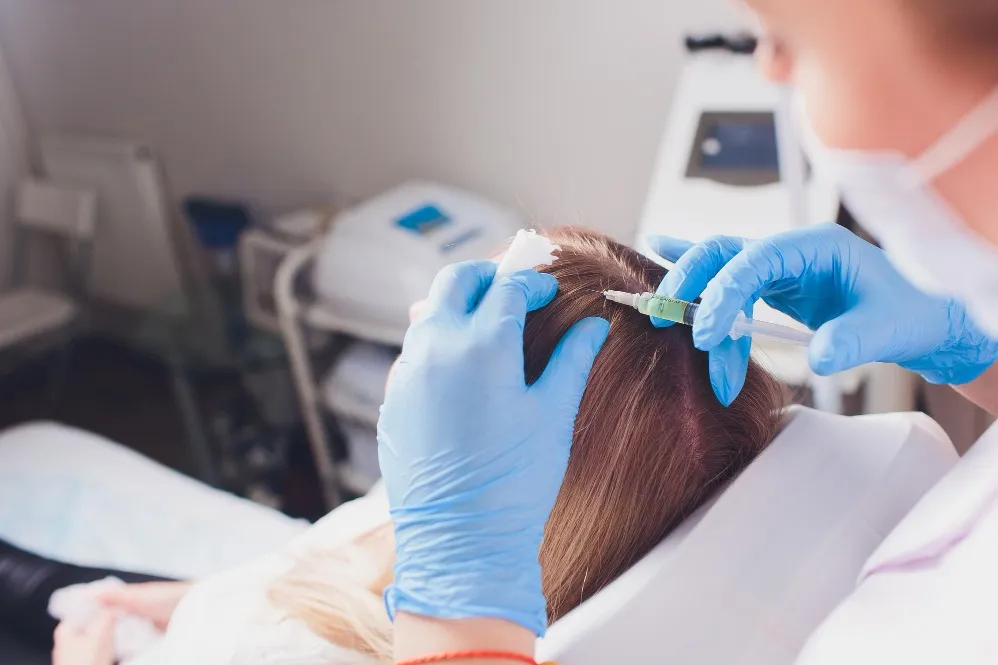
- The concentrated plasma is injected into the injured area, often under image guidance for greater precision.
Since the injection is prepared from the patient's own blood, the chances of allergic reactions or rejection are generally minimal.
Which Orthopaedic Conditions Can Benefit from PRP Therapy?
PRP is not intended for every type of joint pain. It is most effective when used for carefully selected conditions and in appropriate stages of tissue damage.
Your orthopaedic surgeon may recommend PRP Therapy for:
- Early-stage osteoarthritis of the knee
- Tennis elbow
- Golfer's elbow
- Plantar fasciitis
- Patellar tendon injuries
- Achilles tendon disorders
- Rotator cuff tendinopathy
- Mild ligament injuries
- Certain chronic sports injuries
Patients with advanced arthritis, complete ligament tears, or severe structural damage may require different treatment options.
PRP Therapy vs Steroid Injections: What Is the Difference?
Many patients confuse PRP Therapy with steroid injections, but the two treatments serve different purposes.
Steroid injections are primarily used to reduce inflammation and provide temporary pain relief. While they may be appropriate in certain situations, repeated steroid injections are generally not recommended for some tendon conditions.
PRP Therapy, on the other hand, aims to encourage the body's natural healing response rather than simply masking pain. Improvement is usually gradual because the treatment focuses on tissue recovery instead of immediate symptom suppression.
The most suitable option depends entirely on your diagnosis, medical history, and treatment goals.
How Many PRP Sessions Are Usually Required?
There is no standard number of injections for every patient.
The treatment plan depends on factors such as:
- The type of injury
- Severity of tissue damage
- Duration of symptoms
- Age
- Activity level
- Response to previous treatments
Some patients improve after a single session, while others may require additional treatments combined with physiotherapy and lifestyle modifications.
Your progress is typically monitored over several weeks before deciding whether another injection is beneficial.
What Should You Expect After the Procedure?
Recovery following PRP Therapy is usually straightforward.
Most patients can return home on the same day.
Doctors commonly advise:
- Avoiding strenuous activity for several days
- Following prescribed rehabilitation exercises
- Gradually returning to normal activities
- Attending follow-up appointments
- Maintaining good joint care practices
Mild soreness around the injection site is normal and generally settles within a few days.
Unlike painkillers that offer temporary relief, PRP works gradually, so noticeable improvement may take several weeks.
Who May Not Be a Suitable Candidate?
Although PRP Therapy has shown encouraging results for selected conditions, it is not recommended for everyone.
It may not be appropriate for patients with:
- Active infections
- Certain blood disorders
- Severe osteoarthritis with complete cartilage loss
- Some chronic medical conditions
- Specific medications that affect platelet function
A detailed clinical assessment helps determine whether regenerative therapy is likely to provide meaningful improvement.
Maximising the Benefits of PRP Therapy
The success of PRP Therapy depends on more than the injection itself.
Patients often achieve better outcomes by combining treatment with:
- Physiotherapy
- Muscle strengthening exercises
- Weight management
- Activity modification
- Proper nutrition
- Joint protection techniques
These measures reduce unnecessary stress on healing tissues while improving long-term joint function.
Making the Right Treatment Decision
PRP Therapy offers a promising non-surgical option for selected orthopaedic conditions, but it should always be recommended based on careful medical evaluation rather than trends or advertisements.
At UR Orthopaedic Clinic, Dr. Ankur Sharma believes that successful treatment begins with an accurate diagnosis. By understanding the exact cause of pain and matching each patient with the most appropriate treatment, the focus remains on restoring movement, improving quality of life, and helping patients return to their everyday activities with greater confidence.
Keywords