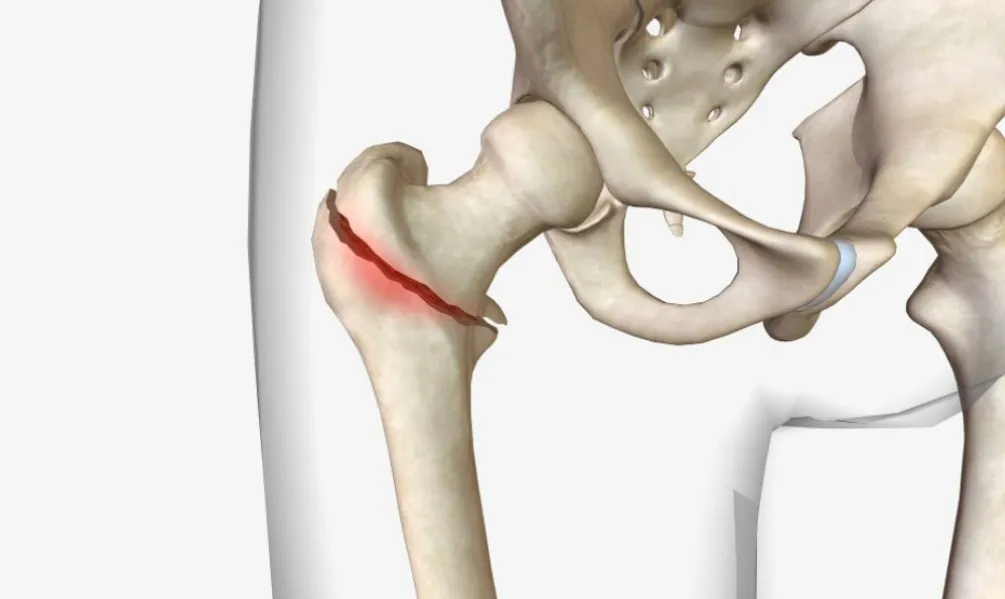
A hip fracture is one of the most serious orthopaedic injuries, especially among older adults. Unlike minor fractures that may heal with immobilisation, a fractured hip often requires prompt medical attention and, in many cases, surgery to restore mobility and reduce the risk of complications.
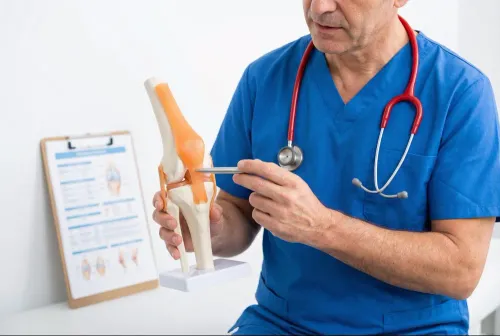
At UR Orthopaedic Clinic, Dr. Ankur Sharma evaluates every hip fracture individually, considering factors such as the patient's age, bone quality, fracture type, medical history, and overall functional needs. Early diagnosis and timely treatment often play a significant role in achieving better recovery.
Why Hip Fractures Are Becoming More Common in Bawana
As the population in Bawana continues to age, orthopaedic specialists are seeing more cases of hip fractures related to osteoporosis and accidental falls. While younger individuals usually sustain these injuries following high-impact accidents, older adults may fracture the hip after a simple slip inside the home.
Common risk factors include:
- Osteoporosis
- Poor balance
- Vision problems
- Muscle weakness
- Vitamin D deficiency
- Previous fractures
- Certain medications
- Unsafe home environments
Understanding these risks allows families to take preventive measures before an injury occurs.
How to Recognise a Hip Fracture
The symptoms are usually severe and difficult to ignore.
Typical signs include:
- Intense pain around the hip or groin
- Inability to stand or walk
- One leg appearing shorter
- The foot turning outward
- Swelling and bruising
- Pain with any attempt to move the leg
Anyone with these symptoms after a fall should receive immediate medical evaluation.
How Is a Hip Fracture Diagnosed?
Diagnosis begins with a clinical examination followed by imaging studies.
Doctors may recommend:
- X-rays
- CT scans for complex fractures
- MRI scans if X-rays are inconclusive
Accurate imaging helps determine the exact fracture pattern and guides treatment planning.
Why Early Surgery Is Often Recommended
Many patients wonder whether surgery can be delayed.
For most hip fractures, early surgery offers several advantages:
- Earlier pain relief
- Reduced risk of prolonged bed rest
- Faster mobilisation
- Lower chance of pressure sores
- Reduced risk of chest infections
- Improved independence during recovery
The timing of surgery depends on the patient's overall medical condition and stability.
What Types of Surgery Are Used?
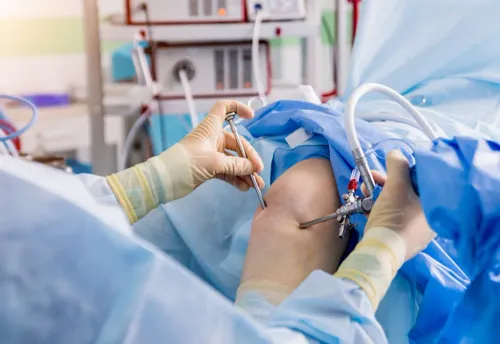
The surgical approach depends on the location and severity of the fracture.
Treatment options may include:
- Internal fixation using screws
- Dynamic hip screw fixation
- Intramedullary nailing
- Partial hip replacement
- Total hip replacement in selected patients
The surgeon selects the most appropriate procedure after evaluating imaging findings and bone quality.
Rehabilitation Begins Immediately
Recovery does not end after surgery.
A structured rehabilitation programme generally includes:
- Pain management
- Early standing and walking
- Physiotherapy
- Balance exercises
- Muscle strengthening
- Fall prevention education
- Nutritional support for bone healing
The objective is to help patients regain independence safely while reducing the likelihood of future falls.
Preventing Future Hip Fractures
Many hip fractures can be prevented through proactive measures.
Important preventive steps include:
- Regular weight-bearing exercise
- Adequate calcium and Vitamin D intake
- Home safety modifications
- Vision correction
- Managing osteoporosis
- Using supportive footwear
- Reviewing medications that increase fall risk
These measures contribute to stronger bones and improved balance.
Early Treatment Makes Recovery Easier
A hip fracture should always be treated as a medical emergency. Prompt evaluation allows the orthopaedic surgeon to recommend the most suitable treatment while reducing the risk of long-term disability.
At UR Orthopaedic Clinic, Dr. Ankur Sharma focuses on restoring mobility through evidence-based fracture management and comprehensive rehabilitation. Early intervention, combined with personalised care, helps patients recover safely and return to their everyday activities with greater confidence.
Keywords