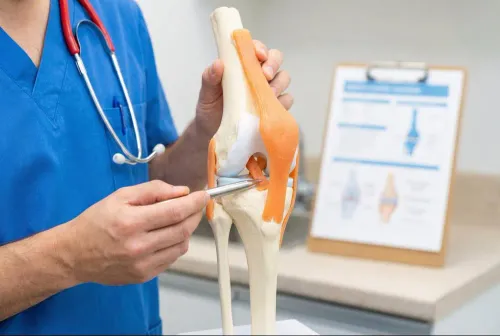
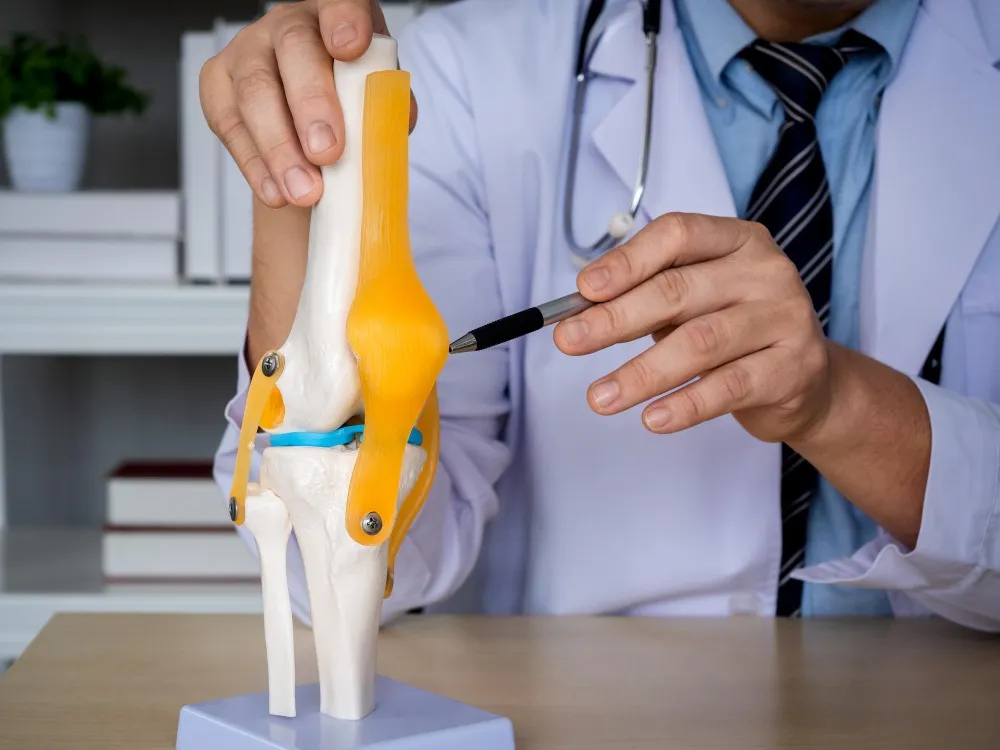
A sudden twist while playing sports, getting up awkwardly from a squatting position, or a knee injury after a fall can damage the meniscus,the C-shaped cartilage that cushions and stabilises the knee joint. Although meniscus injuries are common, many people assume surgery always means removing the torn cartilage. Modern orthopaedics, however, focuses on preserving the meniscus whenever possible.
At UR Orthopaedic Clinic, Dr. Ankur Sharma evaluates every meniscus injury individually. The treatment decision depends on the location and type of tear, the patient's age, activity level, and overall knee health. Preserving the natural cartilage is often the preferred option because it helps protect the knee from future arthritis.
Why Meniscus Injuries Are Frequently Seen Among Patients from Rohini Sector 15
Residents of Rohini Sector 15 include young athletes, working professionals, senior citizens, and individuals with physically demanding occupations. Meniscus injuries can occur during sports, but they are equally common after simple everyday movements in older adults whose cartilage has become weaker with age.
Common causes include:
- Twisting the knee while the foot remains planted
- Sports involving sudden direction changes
- Climbing stairs with a weakened knee
- Road traffic accidents
- Falls
- Age-related cartilage degeneration
Early diagnosis improves the chances of preserving the meniscus rather than removing it.
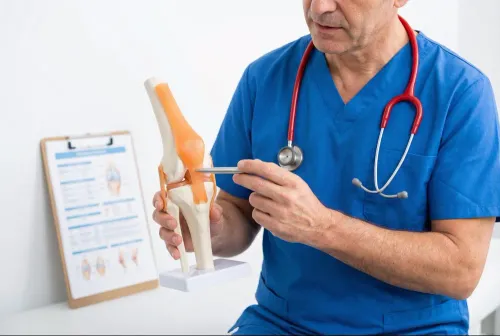
What Does the Meniscus Actually Do?
Each knee contains two menisci that perform several important functions.
They help to:
- Absorb shock while walking and running
- Distribute body weight evenly
- Improve knee stability
- Reduce stress on joint cartilage
- Support smooth knee movement
When a meniscus is damaged, these functions are compromised, increasing the risk of cartilage wear over time.
Symptoms That Suggest a Meniscus Tear
The symptoms vary depending on the size and location of the tear.
Patients commonly report:
- Pain along the knee joint
- Swelling within a day or two
- Clicking or catching sensations
- Difficulty squatting
- Knee locking
- Pain while climbing stairs
- Stiffness after rest
- Feeling that the knee may give way
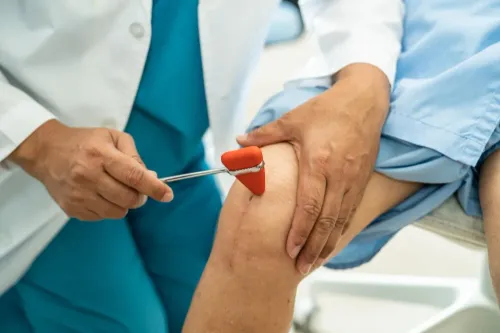
Because these symptoms can resemble ligament injuries, a proper orthopaedic evaluation is essential.
Meniscus Repair vs Meniscus Removal: What's the Difference?
This is one of the most common questions patients ask.
Meniscus Repair
During a repair procedure, the surgeon stitches the torn cartilage so it can heal naturally.
This option is generally preferred when:
- The tear is located in an area with good blood supply
- The injury is recent
- The patient is young or physically active
- The cartilage quality is healthy
Partial Meniscectomy (Removal)
Sometimes the damaged portion cannot be repaired because of poor blood supply or severe degeneration.
In these cases, only the unstable torn fragment is removed while preserving as much healthy cartilage as possible.
Modern orthopaedic practice aims to remove as little meniscus as necessary because preserving cartilage reduces the long-term risk of osteoarthritis.
How Is Meniscus Repair Surgery Performed?
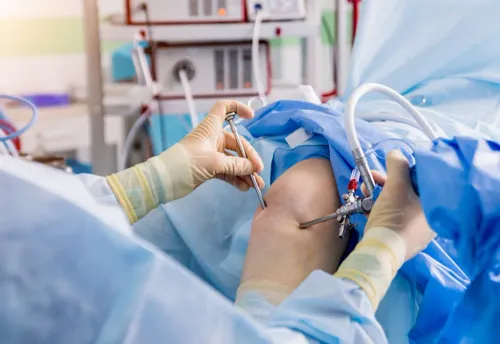
Most procedures are carried out arthroscopically using minimally invasive techniques.
The surgery typically involves:
- Small incisions around the knee
- An arthroscopic camera to visualise the joint
- Assessment of the tear
- Repair using specialised sutures if suitable
- Confirmation of knee stability before completing the procedure
Arthroscopy generally results in smaller scars, reduced tissue damage, and a structured rehabilitation programme.
Recovery After Meniscus Repair
Recovery depends on the type of surgery performed.
Patients are usually advised to:
- Follow weight-bearing instructions carefully
- Attend regular physiotherapy sessions
- Perform strengthening exercises
- Avoid twisting movements initially
- Return gradually to sports after medical clearance
Following rehabilitation is just as important as the surgery itself.
Why Early Treatment Makes a Difference
Untreated meniscus tears can gradually enlarge, increasing stress on the knee cartilage and accelerating joint degeneration. Early diagnosis allows the surgeon to consider repair before the damage becomes irreversible.
At UR Orthopaedic Clinic, Dr. Ankur Sharma focuses on preserving the knee whenever possible, helping patients return to daily activities with better stability, improved function, and long-term joint health.
Keywords