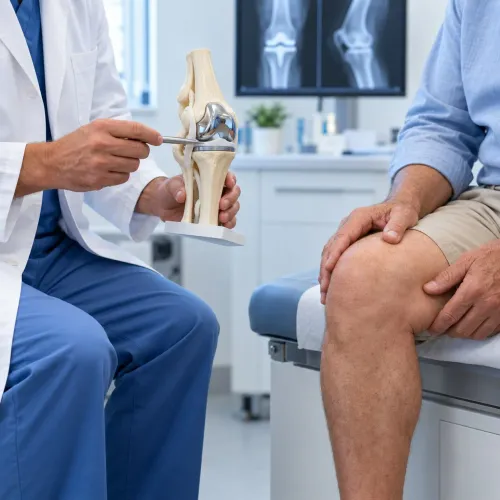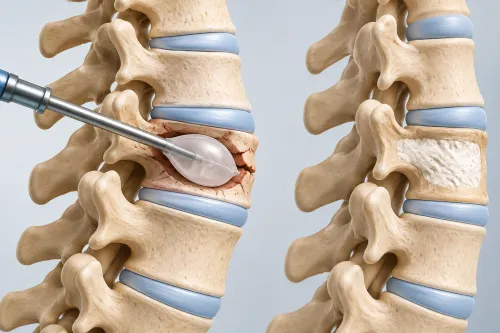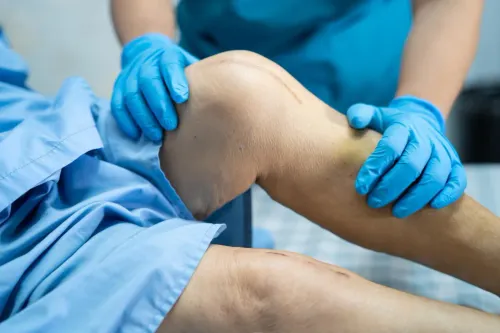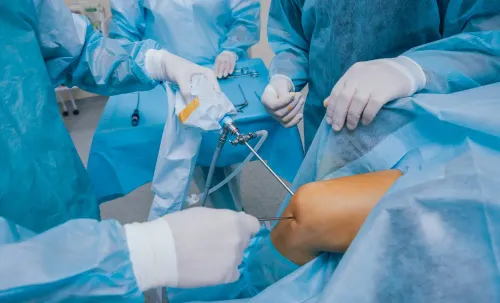
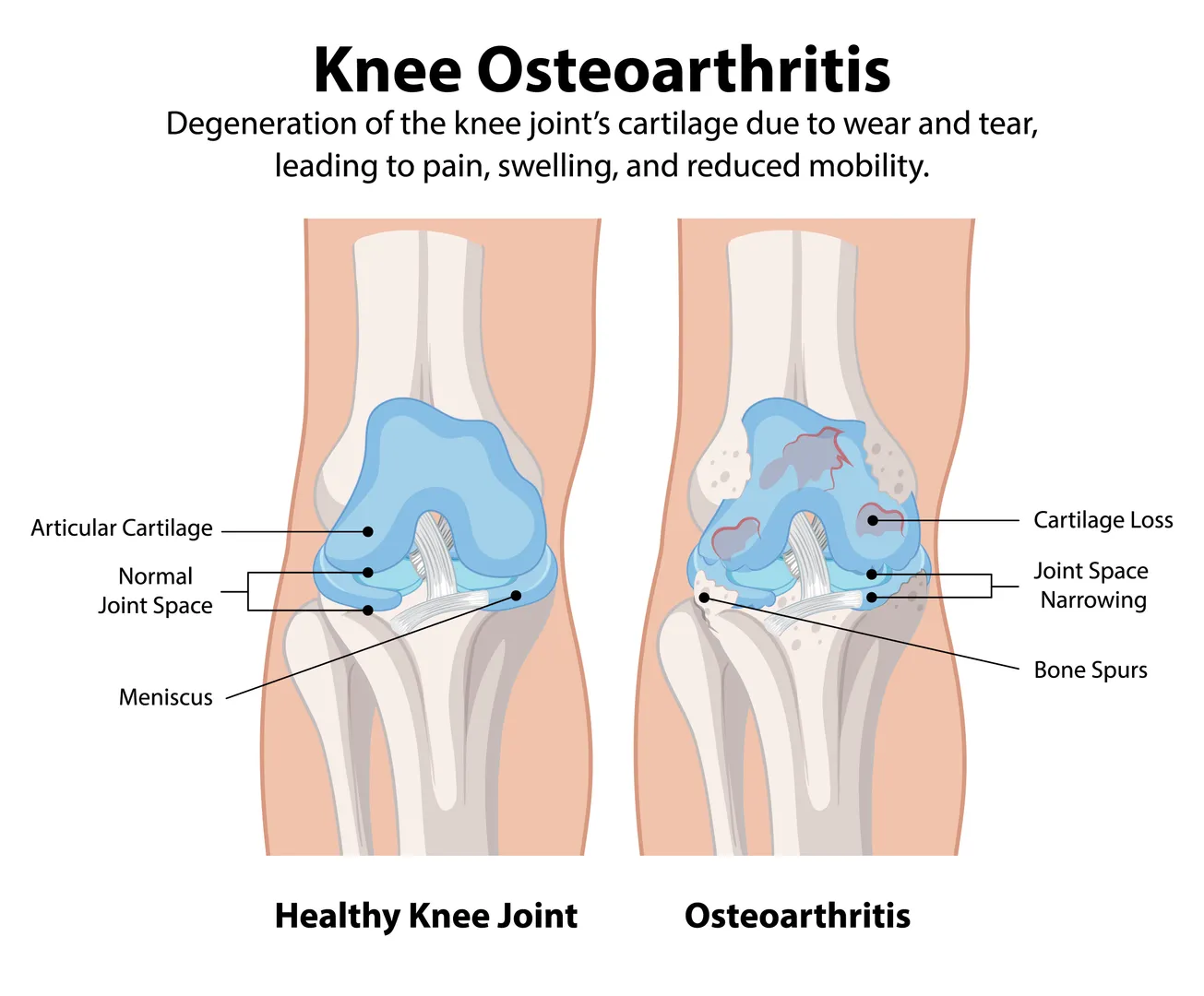
Knee pain is one of the most common reasons adults seek orthopaedic care, and osteoarthritis knee remains one of its leading causes. The condition develops gradually as the protective cartilage inside the knee joint wears down over time, making movement increasingly painful and difficult.
Although osteoarthritis is more common after the age of 50, younger individuals can also develop it due to previous injuries, obesity, repetitive strain, or genetic factors. Understanding the early signs allows patients to seek treatment before significant joint damage occurs.
Why Osteoarthritis Is Becoming More Common in Rohini Sector 23
With changing lifestyles in Rohini Sector 23, many people spend long hours sitting at desks while others remain physically active through demanding jobs or recreational sports. Both inactivity and excessive joint stress can contribute to cartilage degeneration over time.
Risk factors include:
- Increasing age
- Excess body weight
- Previous knee injuries
- Family history
- Weak thigh muscles
- Poor posture
- Repetitive knee strain
- Inflammatory joint conditions
Having one or more of these risk factors does not guarantee osteoarthritis, but it does increase the likelihood of developing symptoms.
Common Symptoms Patients Should Notice
Osteoarthritis usually develops slowly rather than appearing suddenly. Many patients initially dismiss symptoms as simple ageing.
Typical signs include:
- Knee pain during walking
- Stiffness after waking up
- Difficulty climbing stairs
- Swelling around the joint
- Grinding or clicking sensations
- Reduced flexibility
- Pain after prolonged sitting
- Difficulty squatting
- Slower walking speed
Symptoms often worsen with activity and improve temporarily after rest, although advanced arthritis may cause pain even while sleeping.
How Osteoarthritis Is Diagnosed
Diagnosis begins with a detailed medical history and physical examination.
Your orthopaedic specialist may assess:
- Walking pattern
- Joint alignment
- Swelling
- Tenderness
- Knee stability
- Range of motion
- Muscle strength
Imaging studies such as X-rays usually confirm cartilage loss, reduced joint space, bone spurs, or deformity. In certain cases, MRI scans help evaluate soft tissues and associated injuries.
Accurate diagnosis ensures the treatment plan matches the severity of the disease.
Treatment Depends on the Stage of Arthritis
There is no universal treatment suitable for every patient. Management depends on age, pain severity, activity level, and joint damage.
Conservative treatment options often include:
- Weight reduction
- Physiotherapy
- Strengthening exercises
- Activity modification
- Pain-relieving medications
- Knee supports
- Walking aids when required
Many patients experience meaningful improvement through these measures alone, especially when treatment begins early.
When Advanced Treatments Become Necessary
If conservative care no longer controls symptoms, additional options may be considered.
Depending on the patient's condition, these may include:
- PRP Therapy
- Image-guided injections
- Corrective procedures
- Joint preservation techniques
- Partial knee replacement
- Total knee replacement
The decision is based on clinical findings, imaging results, age, activity expectations, and overall health rather than pain alone.
Daily Habits That Can Slow Disease Progression
Although cartilage cannot completely regenerate, healthy habits may reduce stress on the knee and help preserve function.
Helpful lifestyle measures include:
- Maintaining a healthy weight
- Staying physically active
- Performing supervised strengthening exercises
- Wearing supportive footwear
- Avoiding prolonged squatting
- Using proper lifting techniques
- Managing chronic medical conditions
- Following prescribed rehabilitation programmes
Small changes performed consistently often contribute significantly to long-term knee health.
Individualised Orthopaedic Care Matters
Every patient experiences osteoarthritis differently. Two people with similar X-rays may have completely different levels of pain and mobility. For this reason, treatment should always be personalised rather than based solely on imaging findings.
At UR Orthopaedic Clinic, Dr. Ankur Sharma evaluates each patient's symptoms, lifestyle, functional goals, and medical history before recommending an appropriate management plan. The objective is to reduce pain, improve mobility, and help patients continue their daily activities with greater confidence.
Living Well Despite Osteoarthritis
A diagnosis of osteoarthritis does not necessarily mean immediate surgery or permanent disability. Many individuals continue leading active, independent lives through timely diagnosis, structured rehabilitation, healthy lifestyle choices, and appropriate medical treatment.
If knee pain has become persistent, affects your mobility, or limits everyday activities, an orthopaedic assessment can help determine the underlying cause and identify the most effective treatment options before the condition progresses further.
Keywords