Posterior cruciate ligament injuries receive less attention than ACL tears, but significant PCL damage can affect knee stability and function. Because treatment depends heavily on the grade of injury, associated ligament damage and functional instability, choosing a provider for PCL Reconstruction Surgery requires careful evaluation.
For patients in Rohini Sector 13, Delhi, the first priority should be establishing whether reconstruction is actually necessary.
Understand the Injury First
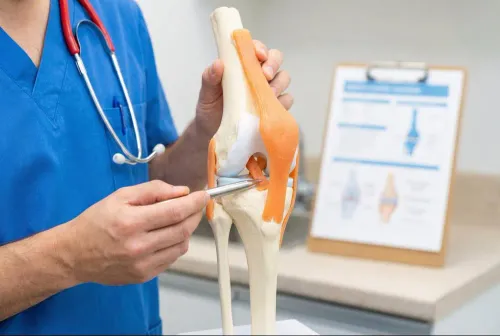
The posterior cruciate ligament is one of the major stabilising ligaments inside the knee. It helps prevent excessive backward movement of the shin bone relative to the thigh bone.
PCL injuries may occur during sports or trauma, including a force directed toward the front of a bent knee.
Some injuries occur in isolation, while others are part of a more complicated multi-ligament knee injury.
That distinction matters.
Not Every PCL Tear Needs Reconstruction
Selected isolated injuries can sometimes be treated successfully with structured rehabilitation.
Treatment may focus on controlling swelling, restoring movement and strengthening the muscles that support knee stability.
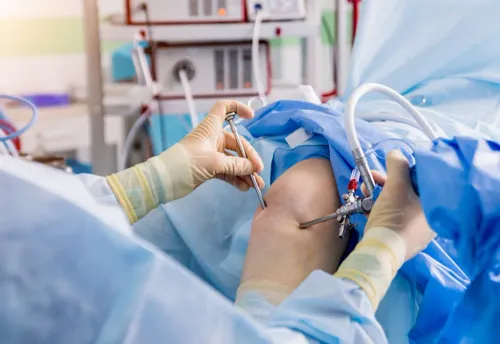
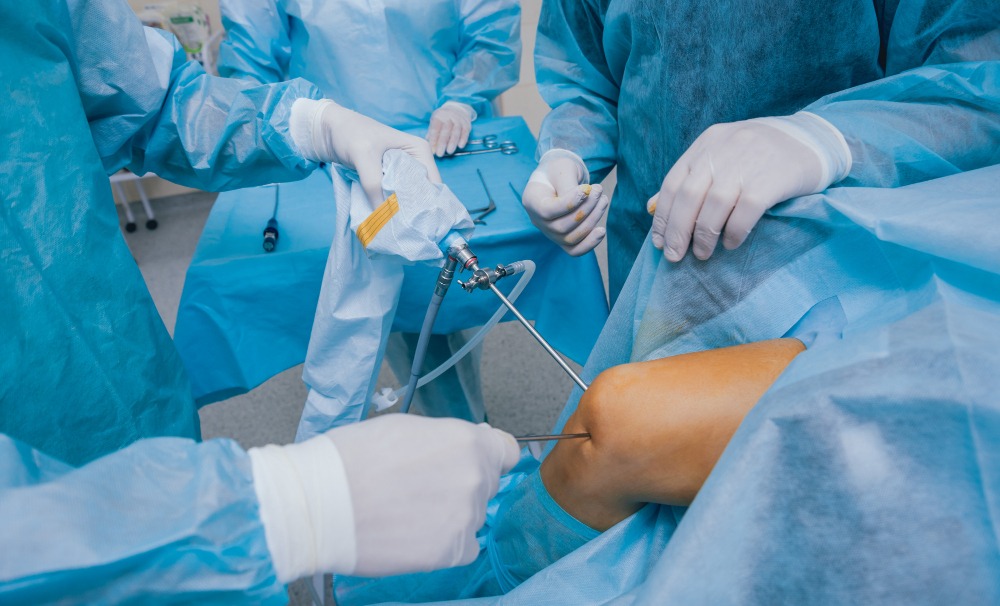
Surgical reconstruction becomes more relevant in circumstances such as substantial functional instability, certain high-grade injuries, combined ligament injuries or persistent symptoms despite appropriate conservative treatment.
The patient's activity demands also matter.
What Should Be Assessed Before Surgery?
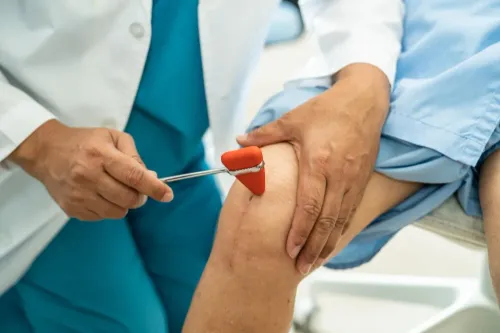
A thorough evaluation may include:
- Mechanism of injury
- Knee stability testing
- Range of motion
- Associated ligament damage
- Meniscus or cartilage injury
- Imaging findings
- Patient's work or sporting requirements
Patients should be cautious about making a surgical decision solely from the wording of an MRI report.
Clinical instability needs to be considered as well.
Questions to Ask the Surgeon
Before proceeding with PCL Reconstruction Surgery, patients can ask:
- Is this an isolated PCL injury?
- What grade of instability is present?
- Are other ligaments damaged?
- Can rehabilitation reasonably be attempted?
- What graft is being considered?
- What restrictions will apply after surgery?
- How will progress be measured during rehabilitation?
Detailed answers indicate that treatment is being planned around the individual injury rather than a standard formula.
Rehabilitation Is a Major Part of Treatment
Ligament reconstruction requires biological healing and progressive rehabilitation.
Early rehabilitation needs to protect the reconstructed ligament while maintaining appropriate movement. Strength and functional exercises are introduced progressively according to recovery.
Returning to sport or strenuous work too early can compromise recovery.
UR Orthopaedic Clinic evaluates ligament and sports-related knee injuries, including cases where reconstructive surgery may be considered. Patients in Rohini Sector 13 can discuss examination findings, scans and previous treatment before deciding on the next step.
When selecting an orthopaedic surgeon for a PCL injury, look beyond whether arthroscopic surgery is available. Appropriate diagnosis, experience with ligament injuries, explanation of non-operative alternatives and a structured rehabilitation pathway are equally important.
The right treatment begins by determining whether the PCL injury is causing clinically meaningful instability and whether reconstruction offers a reasonable advantage for the patient's future activity requirements.
Keywords