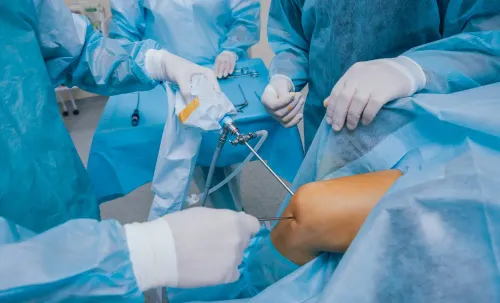
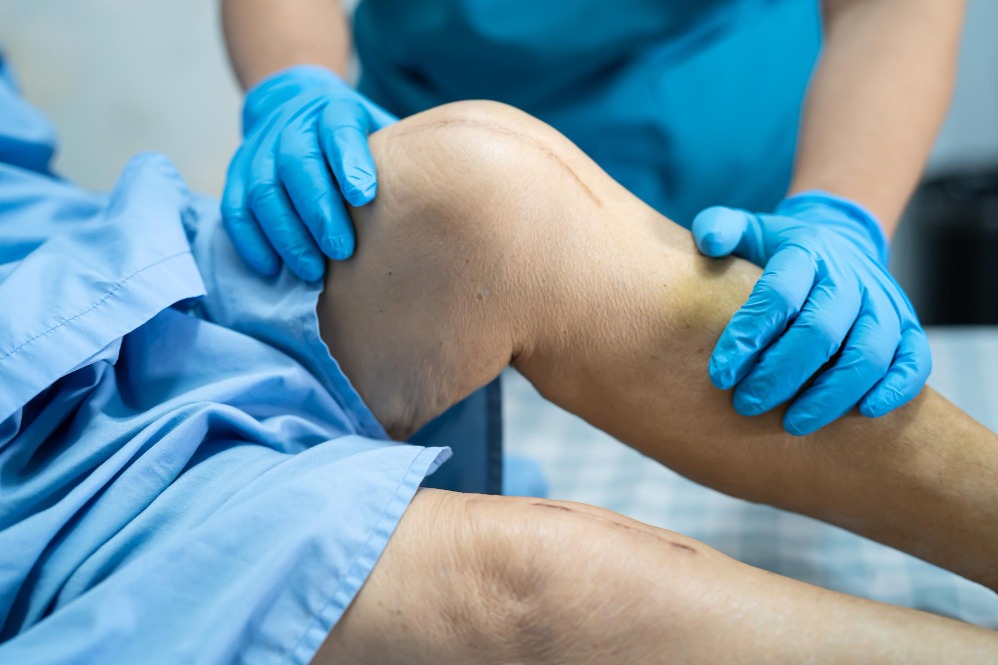
A meniscus tear is one of the most common knee injuries encountered in active adults and athletes, but the words 'meniscus tear' describe many different injury patterns. Some tears can be treated without surgery, some may require removal of an unstable damaged portion, and selected tears may be suitable for repair.
This is why evaluating suitability for Meniscus Repair Surgery is more important than simply confirming that a tear exists.
For patients in Rohini Sector 9, Delhi, understanding these differences can help when seeking an orthopaedic opinion about persistent knee pain, locking or swelling.
Why the Meniscus Matters
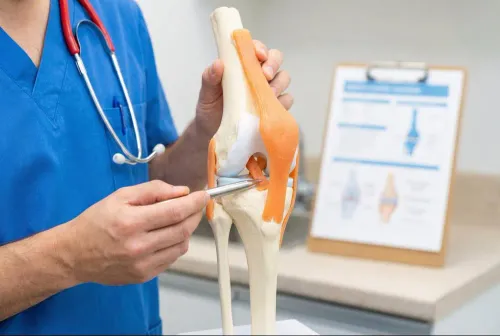
Each knee contains two menisci that sit between the thigh bone and shin bone.
They contribute to load distribution, shock absorption and joint stability. Preserving functional meniscal tissue is therefore valuable when clinically feasible.
However, the meniscus does not have an equally strong blood supply throughout its entire structure. This influences whether a particular tear has a reasonable chance of healing after repair.
Which Tears May Be Repairable?
Repairability depends on several factors rather than one MRI finding.
An orthopaedic surgeon considers:
- Tear location
- Tear pattern
- Tissue quality
- Blood supply
- Size of the tear
- Age of the injury
- Associated ACL injury
- Condition of the surrounding cartilage
- Patient's age and activity profile
A fresh tear in vascular tissue may have different treatment potential from a degenerative tear in poorly vascularised tissue.
Repair Versus Partial Meniscectomy
These procedures have different objectives.
Meniscus repair attempts to preserve the torn tissue by stabilising it so healing can occur.
Partial meniscectomy involves removing only the irreparable or unstable damaged portion while retaining as much functional tissue as possible.
Preservation is desirable when a tear is suitable for repair, but attempting to repair tissue with poor healing potential may not always be appropriate.
The procedure should therefore match the tear rather than a patient's preference for a particular technique.
What Should Patients Ask Before Surgery?
Before Meniscus Repair Surgery, ask:
- Where exactly is the tear?
- What type of tear is present?
- Does it have reasonable healing potential?
- Is repair preferable to removing the damaged portion?
- Is another injury, such as an ACL tear, also present?
- What restrictions follow repair?
The last question is particularly important.
Recovery following repair can be more protective than recovery following a simple partial meniscectomy because the repaired tissue needs time to heal.
Choosing the Right Treatment Pathway
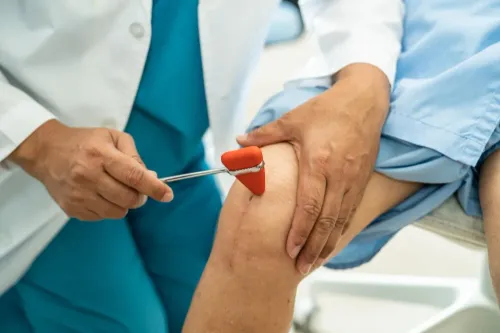
Persistent mechanical symptoms such as locking, catching, repeated swelling or inability to fully move the knee deserve assessment.
However, not every MRI-detected meniscus abnormality is responsible for symptoms, especially when degenerative changes are also present.
At UR Orthopaedic Clinic, knee injuries can be assessed through clinical examination and review of appropriate imaging. Patients from Rohini Sector 9 can discuss whether their symptoms correspond with the meniscus findings and whether conservative treatment or arthroscopic intervention is appropriate.
The goal should not be surgery for every tear. It should preserve healthy knee function.
When repair is technically appropriate and biologically reasonable, retaining meniscal tissue can be valuable. When it is not, the surgeon should explain why another treatment approach is more suitable.
Keywords