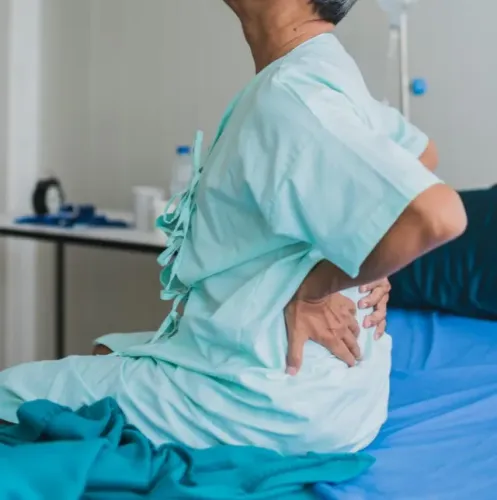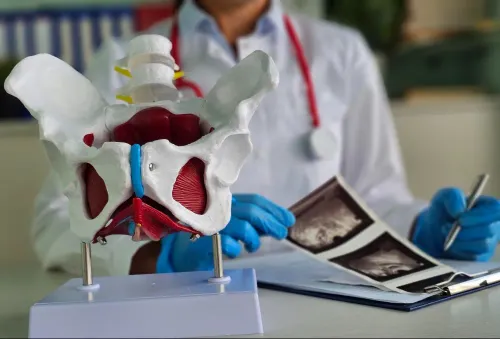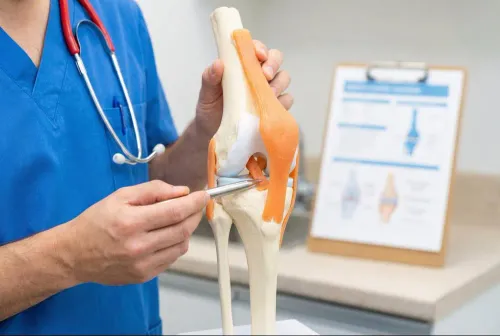
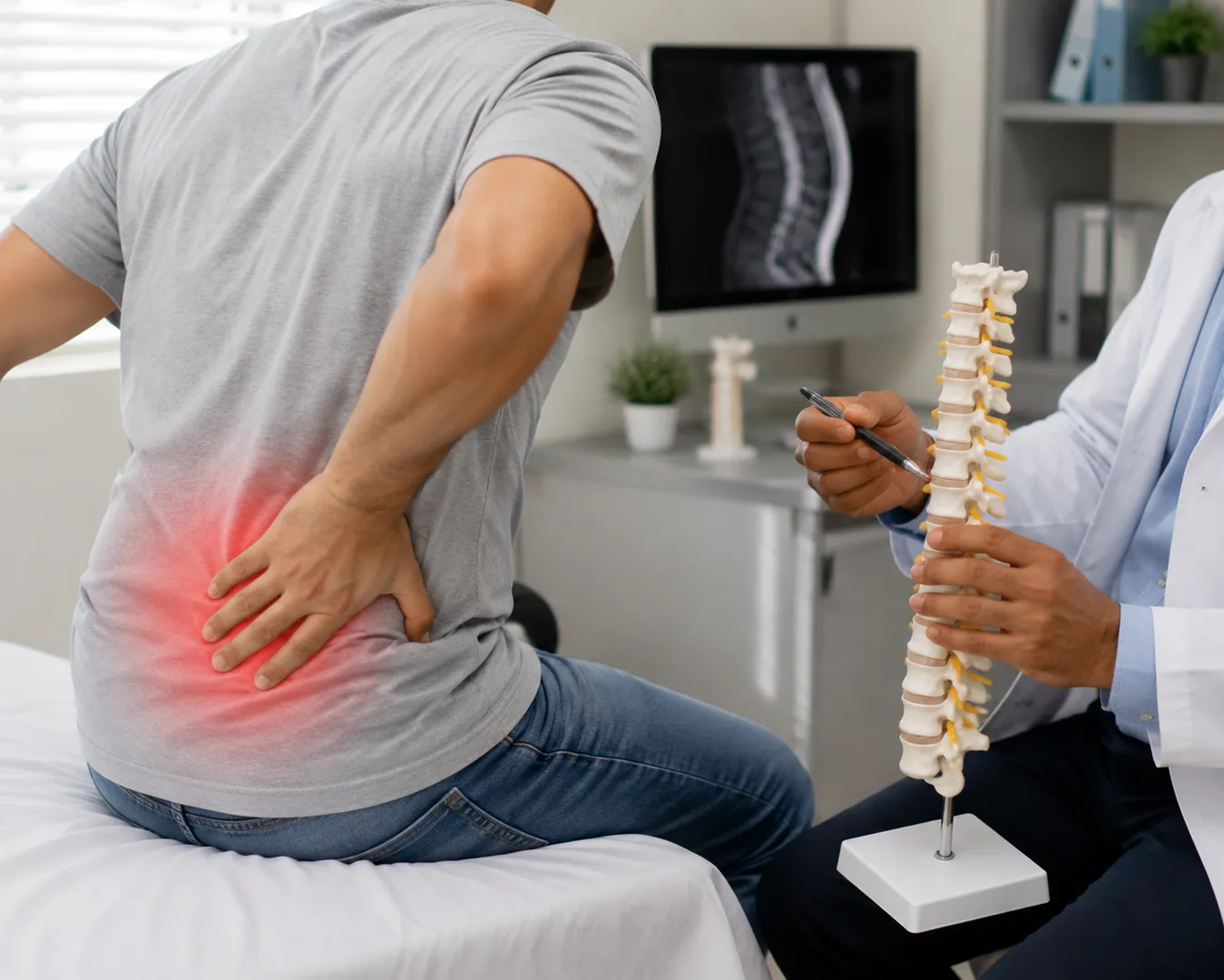
A sharp pain starting in the lower back and travelling down the leg is often described as sciatica. For some people, the discomfort is mild and temporary, while for others it becomes severe enough to interfere with walking, sitting, driving, or even sleeping. One of the biggest misconceptions is that every case of sciatica requires surgery. In reality, sciatica is a symptom, not a disease, and identifying its underlying cause is the first step toward effective treatment.
At UR Orthopaedic Clinic, Dr. Ankur Sharma evaluates patients with back and leg pain through a detailed clinical examination before recommending any treatment. Whether the problem is muscular, nerve-related, or caused by a slipped disc, an accurate diagnosis helps ensure that patients receive the right care at the right time.
Why Patients in Rohini Sector 16 Shouldn't Ignore Persistent Sciatica
For many residents of Rohini Sector 16, daily routines involve prolonged sitting, frequent commuting, physically demanding work, or lifting heavy objects. These activities can place continuous stress on the lower back and spine. While occasional back pain is common, pain that radiates below the knee is often a warning sign that the sciatic nerve may be irritated or compressed.
Ignoring these symptoms can make the condition progressively worse, affecting mobility, work performance, and overall quality of life.
What Is Sciatica?
The sciatic nerve is the largest nerve in the body, extending from the lower spine through the hips, buttocks, and down each leg. Sciatica occurs when this nerve becomes compressed or inflamed.
Instead of being limited to the back, the pain usually follows the path of the nerve and may extend into the calf or foot.
People describe the pain differently, including:
- Sharp or stabbing pain
- Burning sensation
- Electric shock-like pain
- Tingling in the foot
- Numbness in the leg
- Muscle weakness
- Difficulty standing for long periods
Symptoms usually affect only one side of the body.
Is Sciatica the Same as a Slipped Disc?
Not always.
A slipped disc, medically known as Prolapsed Intervertebral Disc (PIVD), is one of the most common causes of sciatica, but it is not the only one.
Other possible causes include:
- Lumbar spinal stenosis
- Degenerative disc disease
- Bone spurs
- Piriformis syndrome
- Spinal arthritis
- Previous spinal injuries
- Rare spinal infections or tumours
This is why treating every patient with the same approach can be ineffective. The exact cause must be identified before deciding on treatment.
When Should You See an Orthopaedic Specialist?
Many people wait weeks or even months, hoping the pain will disappear on its own. While mild episodes may improve with rest, certain warning signs should never be ignored.
You should seek medical evaluation if you experience:
- Pain lasting longer than two weeks
- Pain radiating below the knee
- Numbness or tingling in the leg
- Weakness in the foot or ankle
- Difficulty walking normally
- Pain that worsens while coughing or sneezing
- Recurring episodes of severe back pain
Immediate medical attention is essential if back pain is accompanied by loss of bladder or bowel control or rapidly worsening leg weakness.
How Is Sciatica Diagnosed?
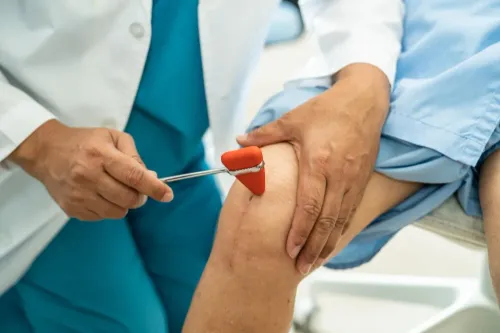
A proper diagnosis begins with understanding your symptoms and performing a physical examination.
During the consultation, your orthopaedic surgeon may assess:
- Muscle strength
- Reflexes
- Walking pattern
- Range of spinal movement
- Sensation in the legs
- Nerve tension tests
If nerve compression is suspected, imaging studies such as an MRI may be recommended. Unlike X-rays, MRI scans provide detailed images of the spinal discs and nerves, making them particularly useful for diagnosing conditions like PIVD.
Not every patient with back pain requires an MRI. The decision depends on the duration of symptoms, neurological findings, and response to initial treatment.
Can Sciatica Be Treated Without Surgery?
Yes. In fact, most patients recover without an operation.
Conservative treatment often includes:
- Pain-relieving medications
- Physiotherapy
- Posture correction
- Core strengthening exercises
- Activity modification
- Weight management
- Ergonomic advice for work and daily activities
As inflammation around the nerve reduces, many patients notice gradual improvement in pain and mobility.
Consistency with rehabilitation is often more important than complete bed rest, which is rarely recommended for prolonged periods.
When Is PIVD Surgery Recommended?
One of the most common questions patients ask is whether surgery is unavoidable if a slipped disc is diagnosed.
The answer is no.
PIVD Surgery is generally considered only when:
- Severe leg pain persists despite adequate conservative treatment
- Progressive muscle weakness develops
- MRI confirms significant nerve compression
- Daily activities become severely restricted
- Emergency neurological symptoms are present
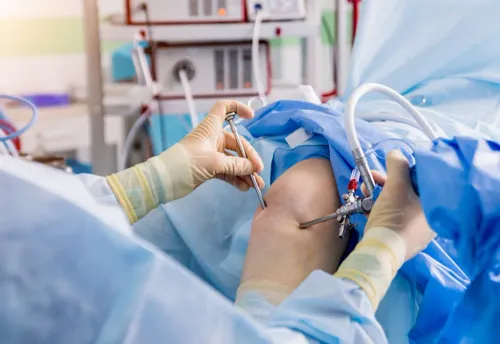
The objective of surgery is to relieve pressure on the affected nerve, allowing it to recover while improving pain and function.
Everyday Habits That Help Protect Your Spine
Good spinal health depends on daily habits as much as medical treatment.
Simple preventive measures include:
- Maintaining a healthy body weight
- Strengthening the core muscles
- Avoiding prolonged sitting without breaks
- Using proper lifting techniques
- Keeping good posture while working
- Exercising regularly under guidance
- Sleeping on a supportive mattress
These habits reduce unnecessary strain on the spine and may lower the risk of future episodes.
The Importance of Early Evaluation
Back pain accompanied by leg pain should never be dismissed as a normal part of ageing or a temporary muscle strain. Identifying the exact cause early allows treatment to begin before nerve damage becomes more serious.
At UR Orthopaedic Clinic, Dr. Ankur Sharma develops treatment plans based on each patient's diagnosis, lifestyle, and recovery goals. Whether the solution involves physiotherapy, medication, rehabilitation, or PIVD Surgery, the emphasis is on relieving pain, restoring movement, and helping patients return to their everyday lives safely and confidently.
Keywords