
Shoulder pain can make even simple daily activities difficult. Reaching for a cupboard, lifting groceries, dressing, or sleeping comfortably may become challenging when the rotator cuff is injured. While many shoulder conditions improve with rest and physiotherapy, some patients benefit from Rotator Cuff Repair Surgery when the tendon damage is significant.
UR Orthopaedic Clinic, led by Dr. Ankur Sharma, provides comprehensive evaluation for shoulder injuries, helping patients understand the cause of their pain before recommending either conservative treatment or surgical intervention.
Shoulder Injuries Frequently Seen Around Rohini Sector 22
In Rohini Sector 22, shoulder injuries affect people from different age groups. Office professionals may develop repetitive strain, while athletes, gym enthusiasts, and manual workers are more prone to tendon tears following excessive use or trauma.
Common causes include:
- Heavy lifting
- Sports injuries
- Falls
- Repetitive overhead activities
- Age-related tendon degeneration
- Sudden pulling injuries
Early diagnosis often prevents the condition from worsening.
What Exactly Is the Rotator Cuff?
The rotator cuff is a group of four muscles and their tendons that stabilise the shoulder joint while allowing smooth arm movement.
These muscles help you:
- Lift the arm
- Rotate the shoulder
- Reach overhead
- Carry objects
- Maintain shoulder stability
Damage to these tendons can significantly reduce shoulder strength and movement.
Symptoms That Should Not Be Ignored
A torn rotator cuff usually develops gradually, although sudden injuries are also common.
Typical symptoms include:
- Shoulder pain while lifting the arm
- Pain during sleep
- Weakness
- Clicking sensations
- Difficulty reaching overhead
- Reduced shoulder movement
- Pain while combing hair
- Difficulty wearing clothes
Persistent symptoms lasting several weeks should be assessed by an orthopaedic specialist.
When Is Surgery Recommended?
Many rotator cuff problems respond well to conservative treatment.
These may include:
- Physiotherapy
- Anti-inflammatory medication
- Activity modification
- Strengthening exercises
- Image-guided injections where appropriate
Surgery is generally considered when:
- The tendon is completely torn
- Pain persists despite treatment
- Shoulder weakness affects daily activities
- Young or active patients wish to regain full function
- Large tears continue to worsen
Every treatment decision is based on individual clinical findings.
How Rotator Cuff Repair Is Performed
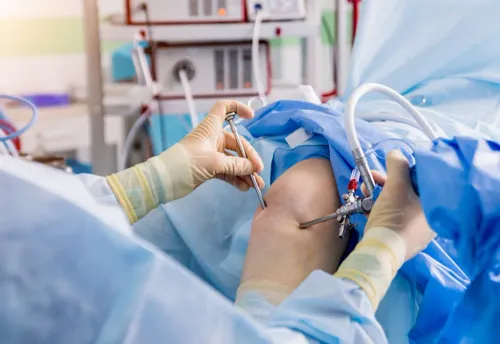
Most repairs today are completed arthroscopically.
The procedure typically involves:
- Tiny skin incisions
- A specialised camera
- Removal of inflamed tissue
- Repairing the torn tendon
- Anchoring the tendon back to the bone
Minimally invasive techniques often reduce post-operative discomfort while supporting faster rehabilitation.
Rehabilitation Determines Long-Term Success
Recovery continues well beyond surgery.
Patients usually progress through several stages:
- Shoulder immobilisation
- Gentle passive movement
- Gradual strengthening
- Functional exercises
- Return to normal activities
- Sport-specific rehabilitation if required
Following the rehabilitation programme carefully is essential for restoring shoulder function.
Protecting Your Shoulder in the Future
Many shoulder injuries can be prevented through proper technique and conditioning.
Helpful measures include:
- Warm up before exercise
- Avoid repetitive overhead strain
- Strengthen shoulder muscles
- Maintain good posture
- Lift heavy objects correctly
- Address minor shoulder pain early
Persistent shoulder discomfort should never be dismissed as a normal part of ageing. Early assessment allows appropriate treatment before tendon damage becomes more extensive, helping patients regain comfort, strength, and confidence in their daily activities.
Keywords