Joint pain, stiffness, recurring back pain, sports injuries, and fractures are common problems that many people ignore until they begin affecting daily life. While occasional aches after physical activity are normal, persistent pain or limited movement often indicates an underlying orthopaedic condition that requires professional evaluation. Knowing when to consult the best orthopaedic surgeon can help prevent complications and improve recovery.
Orthopaedic specialists diagnose and treat conditions affecting bones, joints, ligaments, tendons, muscles, and the spine. Whether the problem results from ageing, injury, or repetitive strain, early intervention usually leads to better outcomes and less invasive treatment options.
Recognising Orthopaedic Problems Early in Rohini Sector 24
Residents of Rohini Sector 24 lead diverse lifestyles, from office-based work to physically demanding occupations. Long working hours, sedentary habits, sports activities, and age-related wear can all contribute to orthopaedic issues. Seeking medical advice early helps identify the cause before the condition progresses.
Some signs that should not be ignored include:
- Joint pain lasting more than a few weeks
- Swelling around a joint
- Difficulty climbing stairs
- Limited shoulder or knee movement
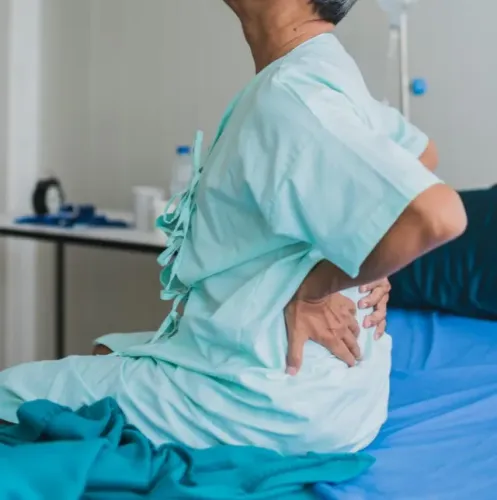
- Frequent back or neck pain
- Persistent stiffness in the morning
- Pain while walking
- Difficulty lifting everyday objects
- Recurrent sports injuries
- Bone pain after trauma
These symptoms may appear gradually or suddenly following an accident.
Conditions Commonly Managed by an Orthopaedic Surgeon
An orthopaedic surgeon treats a wide variety of musculoskeletal disorders rather than focusing on a single body part. Depending on the diagnosis, treatment may involve medication, rehabilitation, injections, minimally invasive procedures, or surgery.
Common conditions include:
- Osteoarthritis
- Ligament injuries
- Meniscus tears
- Rotator cuff injuries
- Hip fractures
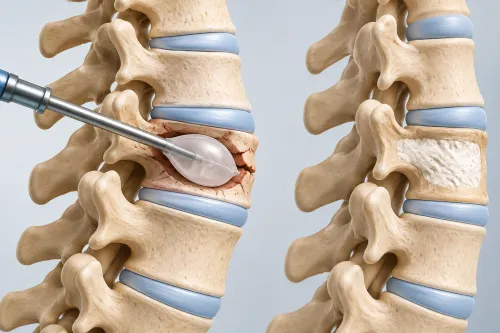
- Spine disorders
- Sciatica
- Slipped discs (PIVD)
- Complex fractures
- Sports injuries
- Tendon injuries
- Shoulder instability
A thorough examination combined with diagnostic imaging helps determine the most appropriate treatment plan.
Conservative Treatment Often Comes First
Many people assume visiting an orthopaedic surgeon automatically means surgery. In reality, surgery is recommended only when conservative treatments fail or when the injury is severe.
Initial treatment may include:
- Activity modification
- Pain management
- Physiotherapy
- Weight management
- Joint-strengthening exercises
- Lifestyle modifications
- Supportive braces
- Image-guided injections
These approaches often relieve symptoms while improving strength and mobility.
Why Delaying Treatment Can Make Recovery Harder
Ignoring persistent joint pain can gradually lead to worsening cartilage damage, muscle weakness, reduced flexibility, and altered walking patterns. Over time, patients may begin compensating with other joints, causing additional discomfort.
For example, untreated knee pain may eventually affect the hips and lower back. Likewise, shoulder injuries left untreated can reduce arm strength and limit overhead activities.
Early diagnosis allows doctors to preserve joint function while preventing unnecessary deterioration.
What Happens During Your First Consultation?
An orthopaedic consultation is designed to identify both the symptoms and the underlying cause.
Your doctor may discuss:
- When the pain started
- Previous injuries
- Daily activity levels
- Medical history
- Occupation
- Current medications
- Functional limitations
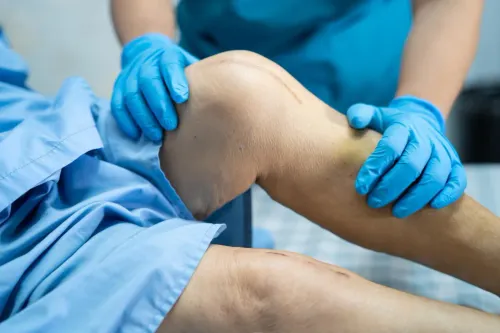
This is followed by a physical examination assessing:
- Joint stability
- Range of motion
- Muscle strength
- Swelling
- Tenderness
- Walking pattern
- Spine alignment
If needed, investigations such as X-rays, MRI scans, CT scans, or blood tests may be recommended.
Modern Orthopaedic Care Focuses on Faster Recovery
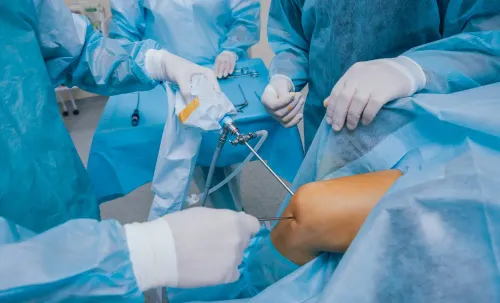
Advancements in orthopaedic medicine have significantly improved patient outcomes. Many procedures now use minimally invasive techniques that reduce tissue damage and support faster rehabilitation.
Treatment plans are increasingly personalised, considering factors such as:
- Age
- Bone quality
- Activity level
- Lifestyle
- Existing medical conditions
- Long-term mobility goals
This patient-centred approach aims to restore movement while minimising recovery time whenever possible.
Choosing the Right Orthopaedic Specialist
Selecting an experienced orthopaedic surgeon involves more than checking qualifications. Patients should also consider the doctor's expertise in treating specific conditions, communication style, diagnostic approach, and commitment to evidence-based care.
At UR Orthopaedic Clinic, Dr. Ankur Sharma focuses on evaluating each patient's condition thoroughly before recommending treatment. Depending on the diagnosis, the approach may include conservative management, rehabilitation, or advanced surgical techniques when clinically appropriate.
Taking the First Step Towards Better Mobility
Living with ongoing pain should never become your normal. Whether discomfort develops gradually or follows an injury, timely assessment can make a significant difference to recovery and long-term joint health.
If persistent bone, joint, or spine pain is affecting your daily routine, consulting an experienced orthopaedic specialist can help identify the cause and guide you towards the most suitable treatment plan. Early care often means more options, better mobility, and an improved quality of life.
Keywords