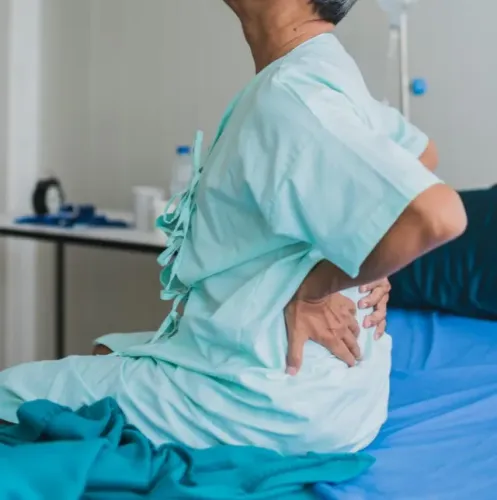
Hip pain is often misunderstood. Many people from Narela and nearby areas continue treating it like ordinary back pain until movement becomes extremely restricted. By the time they seek medical advice, even simple activities like wearing shoes or sitting cross-legged become difficult.
At UR Orthopaedic Clinic, one common observation is that patients usually arrive after trying painkillers repeatedly, hoping the discomfort will disappear on its own. But hip degeneration, hip fracture complications, or arthritis-related damage tends to progress quietly.
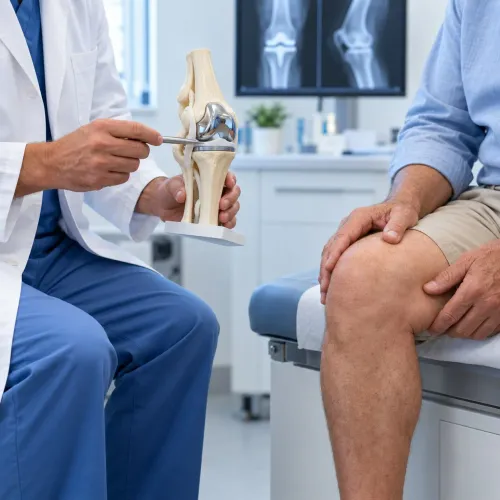
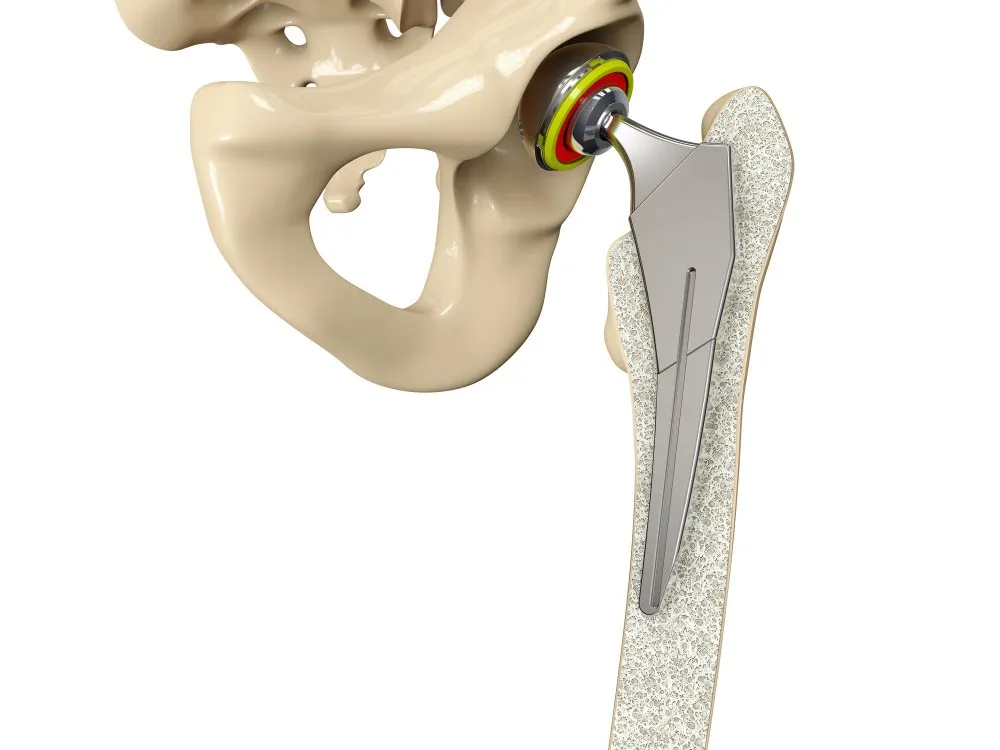
The role of the best hip replacement surgeon is not limited to performing surgery. It involves understanding why the pain started, how mobility is affected, and whether non-surgical methods can still help. For some patients, physiotherapy and medication management work effectively. For others dealing with severe cartilage damage or fracture complications, hip replacement becomes the most reliable route toward regaining movement.
Residents from Narela, Bawana, and Khera Khurd often spend long hours commuting or standing for work, which adds strain to already weak joints. Over time, untreated hip conditions begin affecting posture, sleep quality, and even mental wellbeing. Strange how one joint can influence so much, isn’t it?
Modern orthopaedic care focuses heavily on preserving natural movement. Recovery plans today are more structured, patient-friendly, and mobility-focused than they were years ago. Patients now expect quicker rehabilitation, better pain management, and realistic guidance about daily activities after treatment.
UR Orthopaedic Clinic approaches every hip condition with that balance of practical care and long-term planning. Whether it’s chronic arthritis, hip fracture management, or evaluating the need for replacement surgery, early consultation can prevent prolonged discomfort and complications later.
A healthier hip often means returning to the routines people miss the most; walking comfortably, sleeping without pain, and moving without hesitation.
Keywords