A sudden twist while playing football, an awkward landing during badminton, or a road accident can result in a serious knee injury that affects stability and movement. One of the most common ligament injuries is a tear of the Anterior Cruciate Ligament (ACL). While not every ACL injury requires surgery, understanding when ACL Reconstruction Surgery is recommended can help patients make informed decisions about their recovery.
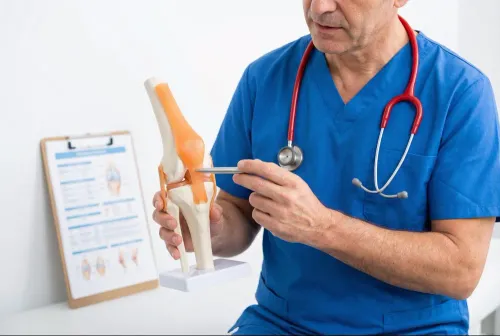
At UR Orthopaedic Clinic, Dr. Ankur Sharma evaluates ACL injuries based on the patient's age, activity level, occupation, and the severity of the ligament damage. The goal is always to restore knee stability while choosing the most appropriate treatment for long-term function.
Why ACL Injuries Are Common Among Active Individuals in Rohini Sector 25
Residents of Rohini Sector 25 participate in various recreational sports, fitness activities, and physically demanding jobs. Sudden pivoting movements, quick direction changes, and awkward landings place significant stress on the ACL.
Common causes include:
- Football and cricket injuries
- Basketball and volleyball
- Running on uneven surfaces
- Gym accidents
- Falls
- Road traffic accidents
- Workplace injuries
An ACL tear often occurs with a popping sensation, followed by immediate pain and swelling.
Signs That May Indicate an ACL Tear
Many patients initially believe they have a simple knee sprain. However, certain symptoms suggest a ligament injury that requires medical evaluation.
These include:
- Knee instability while walking
- Difficulty changing direction
- Swelling within a few hours
- Pain during movement
- Repeated episodes of the knee giving way
- Reduced confidence while climbing stairs
- Limited range of motion
Ignoring these symptoms may increase the risk of further damage to the meniscus or knee cartilage.
Does Every ACL Tear Need Surgery?
The answer is no.
Treatment depends on multiple factors, including:
- Age
- Activity level
- Occupation
- Degree of ligament injury
- Associated meniscus damage
- Sports participation
- Future mobility goals
Some individuals with partial tears and low physical demands may recover with structured rehabilitation and physiotherapy.
However, surgery is often considered for young, active individuals who wish to return to sports or those experiencing repeated knee instability.
What Happens During ACL Reconstruction Surgery?
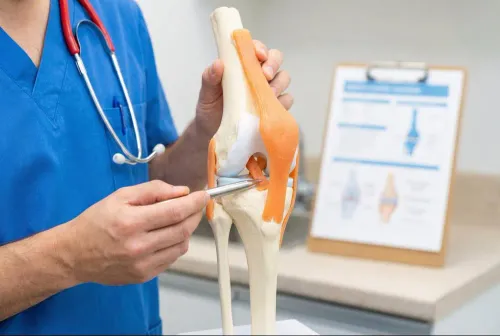
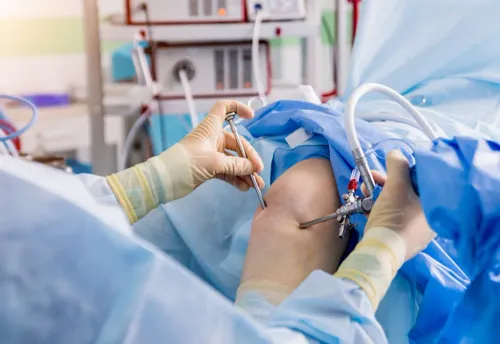
ACL reconstruction does not involve repairing the torn ligament directly. Instead, the damaged ligament is replaced using a graft.
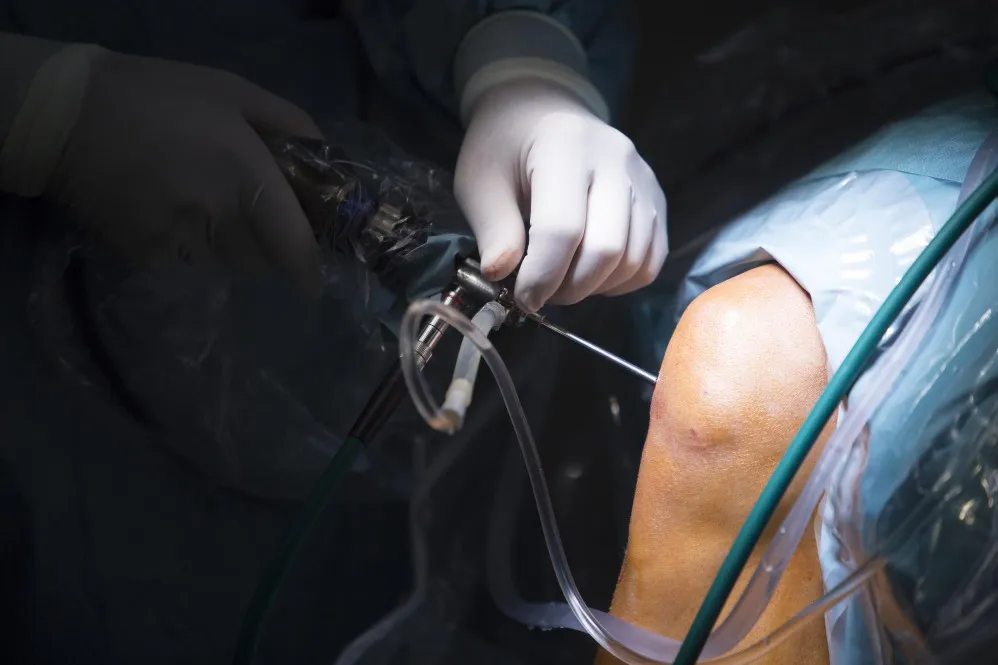
Modern arthroscopic techniques involve:
- Small skin incisions
- A tiny camera to visualise the joint
- Removal of damaged ligament tissue
- Placement of a new graft
- Fixation using specialised implants
Because the procedure is minimally invasive, patients usually experience less tissue damage compared to traditional open surgery.
Recovery Is a Structured Process
Successful ACL surgery depends as much on rehabilitation as the procedure itself.
Recovery generally includes:
- Early swelling control
- Gradual weight bearing
- Range-of-motion exercises
- Muscle strengthening
- Balance training
- Functional rehabilitation
- Sport-specific exercises before returning to competitive activities
Every patient's recovery timeline varies depending on overall health and rehabilitation progress.
Why Early Diagnosis Matters
Untreated ACL injuries can cause repeated instability episodes that gradually damage the meniscus and knee cartilage. Over time, this increases the likelihood of developing early osteoarthritis.
Prompt assessment allows the orthopaedic specialist to determine whether conservative management or surgery offers the best long-term outcome.
With appropriate treatment and rehabilitation, many patients return to work, recreational activities, and sports safely.
Keywords