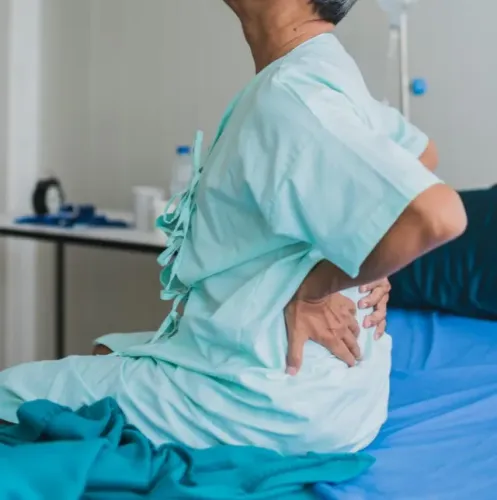
Lower back pain is extremely common, but when it begins travelling into the leg, causes numbness, or weakens the muscles, it may indicate a more serious spinal condition known as Prolapsed Intervertebral Disc (PIVD), commonly referred to as a slipped disc. While the diagnosis often worries patients, the good news is that most cases improve without surgery. Understanding when PIVD Surgery is actually required can help patients make informed decisions instead of relying on misconceptions.
At UR Orthopaedic Clinic, Dr. Ankur Sharma carefully evaluates spinal conditions through clinical examination and imaging before recommending surgery. The goal is always to begin with the least invasive treatment that can safely restore function and relieve pain.
Why Slipped Disc Problems Are Increasing Around Rohini Sector 9
Many people living in Rohini Sector 9 spend long hours sitting at computers, driving, or performing physically demanding work. Poor posture, improper lifting techniques, obesity, and lack of regular exercise place additional stress on the spinal discs, increasing the likelihood of disc-related problems.
Although ageing naturally affects the spine, lifestyle habits often influence how quickly symptoms develop.
What Happens During a Slipped Disc?
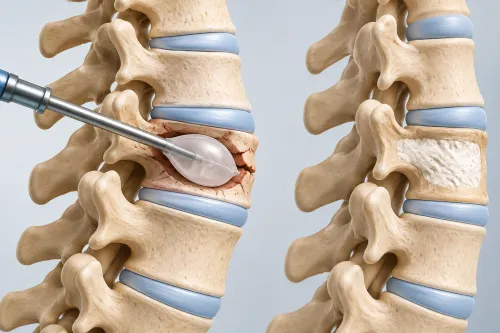
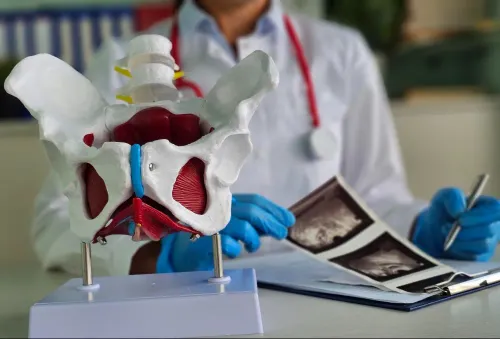
The spine is made up of vertebrae separated by soft discs that act as cushions. When the outer layer of a disc weakens or tears, the inner material may protrude and press against nearby nerves.
This nerve compression can cause:
- Lower back pain
- Pain radiating into one leg
- Tingling sensations
- Numbness
- Muscle weakness
- Difficulty standing or walking for long periods
The symptoms depend on which nerve is affected.
When Can a Slipped Disc Be Treated Without Surgery?
Most patients improve through conservative treatment within a few weeks.
Treatment may include:
- Anti-inflammatory medication
- Physiotherapy
- Activity modification
- Core strengthening exercises
- Posture correction
- Weight management
- Ergonomic workplace adjustments
Regular follow-up helps monitor progress and identify patients who may need further intervention.
When Is PIVD Surgery Recommended?
Surgery is generally considered only after careful evaluation.
It may be advised when:
- Severe leg pain continues despite conservative treatment
- Progressive muscle weakness develops
- MRI confirms significant nerve compression
- Daily activities remain severely restricted
- Bladder or bowel control is affected (a medical emergency)
The objective is to remove pressure from the affected nerve while preserving spinal stability.
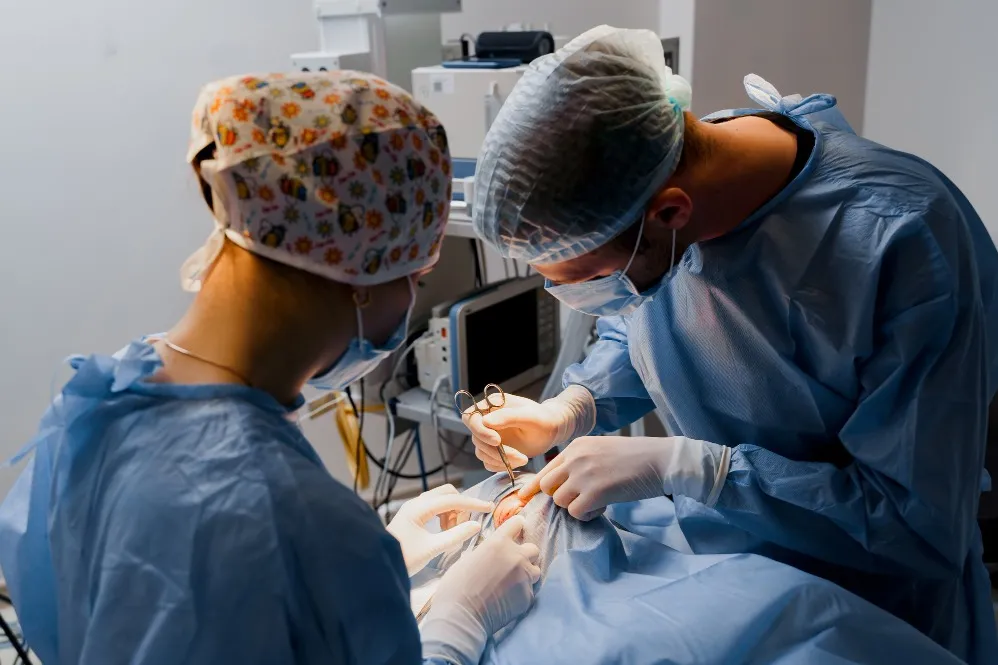
What Happens During PIVD Surgery?
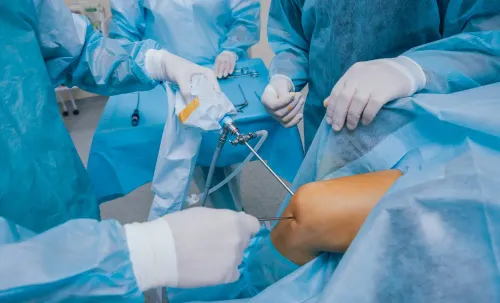
The surgical technique depends on the location and severity of the disc problem.
Common procedures include:
- Microdiscectomy
- Endoscopic discectomy
- Lumbar decompression procedures
Modern techniques focus on minimising tissue damage while improving recovery time whenever clinically appropriate.
Your orthopaedic surgeon will explain the procedure that best suits your individual condition.
Recovery After Surgery
Successful recovery depends on more than the operation itself.
Patients are encouraged to follow a structured rehabilitation programme that includes:
- Walking soon after surgery as advised
- Physiotherapy
- Core strengthening
- Gradual return to work
- Proper lifting techniques
- Long-term posture correction
Recovery timelines vary depending on the patient's health, occupation, and extent of nerve compression before surgery.
How Can You Protect Your Spine After Recovery?
Maintaining spinal health reduces the likelihood of future disc problems.
Helpful habits include:
- Exercising regularly
- Strengthening abdominal and back muscles
- Maintaining a healthy body weight
- Avoiding prolonged sitting
- Using ergonomic furniture
- Lifting objects correctly
- Staying physically active
These lifestyle measures support long-term spinal function.
The Right Decision Starts with the Right Diagnosis
Not every slipped disc requires surgery, and not every episode of back pain is caused by PIVD. The key is identifying the exact cause through proper evaluation rather than assuming the worst.
At UR Orthopaedic Clinic, Dr. Ankur Sharma works with patients to determine the most appropriate treatment based on their symptoms, examination findings, and imaging results. Whether recovery involves physiotherapy, medication, or PIVD Surgery, the focus remains on relieving pain, restoring mobility, and helping patients return to everyday life with confidence.
Keywords